-

-
 0
0
0An exploration of two ways bread comes alive and how commercial yeast and a sourdough starter change your baking experience, flavor, texture, and digestion.
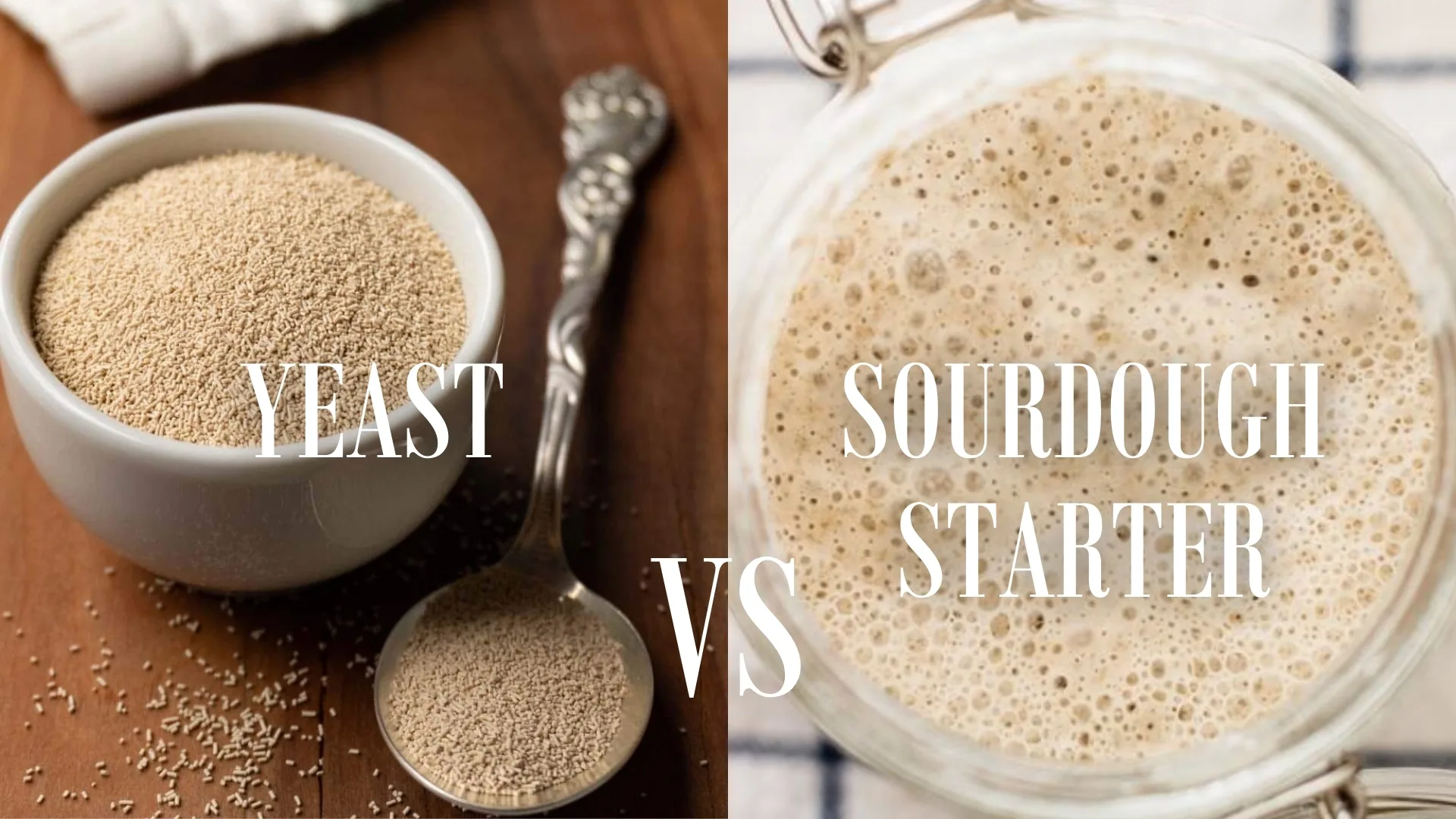
Both methods leaven bread. Both transform flour and water into beautiful loaves. But they do it in very different ways, not only in time and technique, but in how bread feels in your kitchen and on your plate.Let’s explore the real difference between yeast bread and sourdough bread in a practical, experience-driven way so you can choose the method that fits your style of baking and nourishment.
Leavening is the process that makes dough rise. When dough rises, it becomes lighter, softer, and airier because living organisms are at work.
Whether you add a pinch of commercial yeast or a spoonful of sourdough starter, natural fermentation activity begins between your hands and the oven.
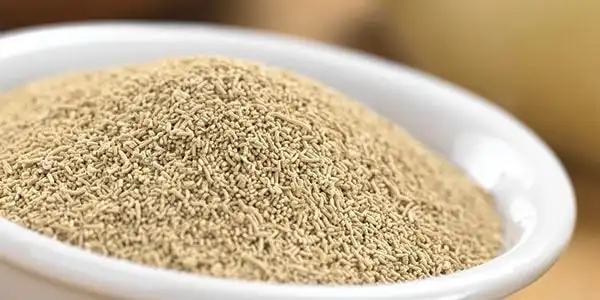
Commercial yeast is cultivated yeast sold in packets and jars. Bakers love it for:
• Fast rising time
• Predictable results
• Easy handling for beginners
• Consistency in every batch
It is the foundation of many sandwich breads, dinner rolls, and everyday loaves. When time is limited, yeast bread is dependable and efficient.
In the kitchen, commercial yeast feels like a practical tool that delivers clear, quick results without much variation.
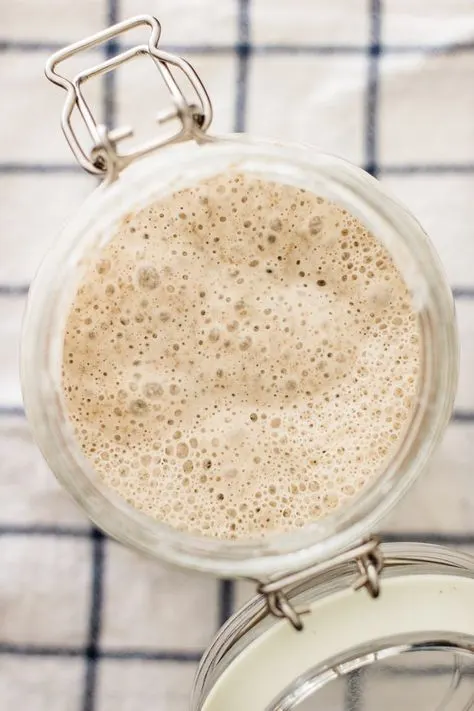
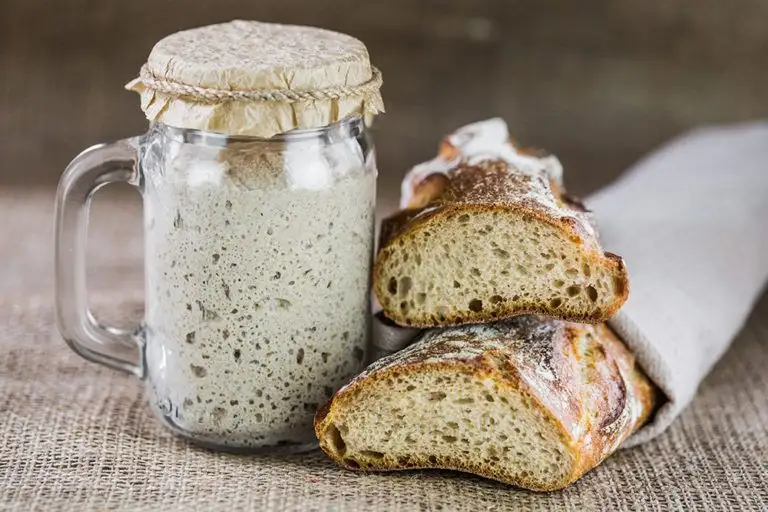
A sourdough starter is not manufactured yeast. It is a living community of wild yeast and lactic acid bacteria that naturally develops in flour and water.
This culture:
• Feeds on flour sugars
• Produces natural acids that create sourdough flavor
• Creates bubbles slowly through fermentation
• Adapts to its environment and care
Every sourdough starter is unique. No two starters behave exactly the same because they depend on air, flour, water, and attention.
If commercial yeast is a tool, a sourdough starter is a fermentation partner.
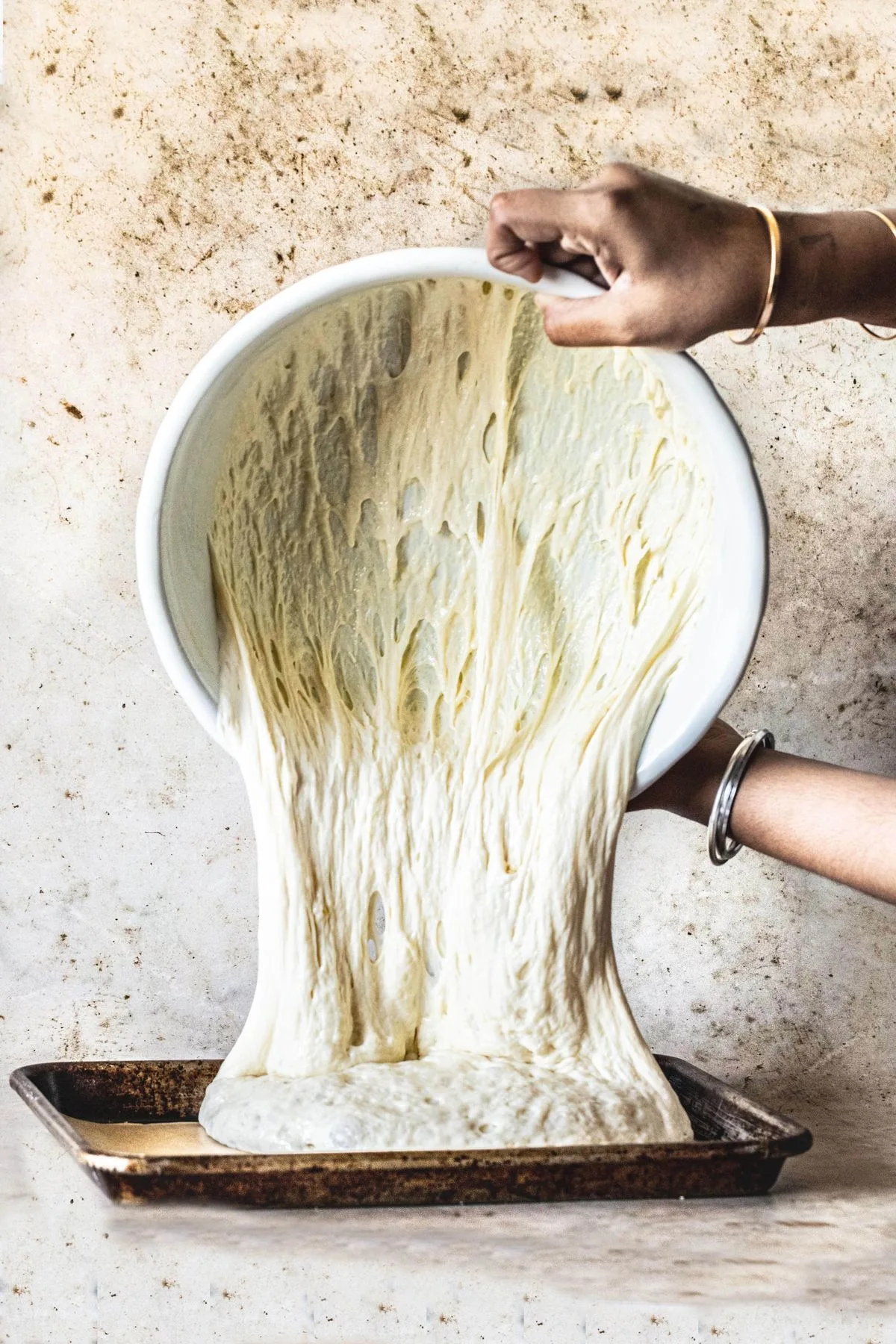
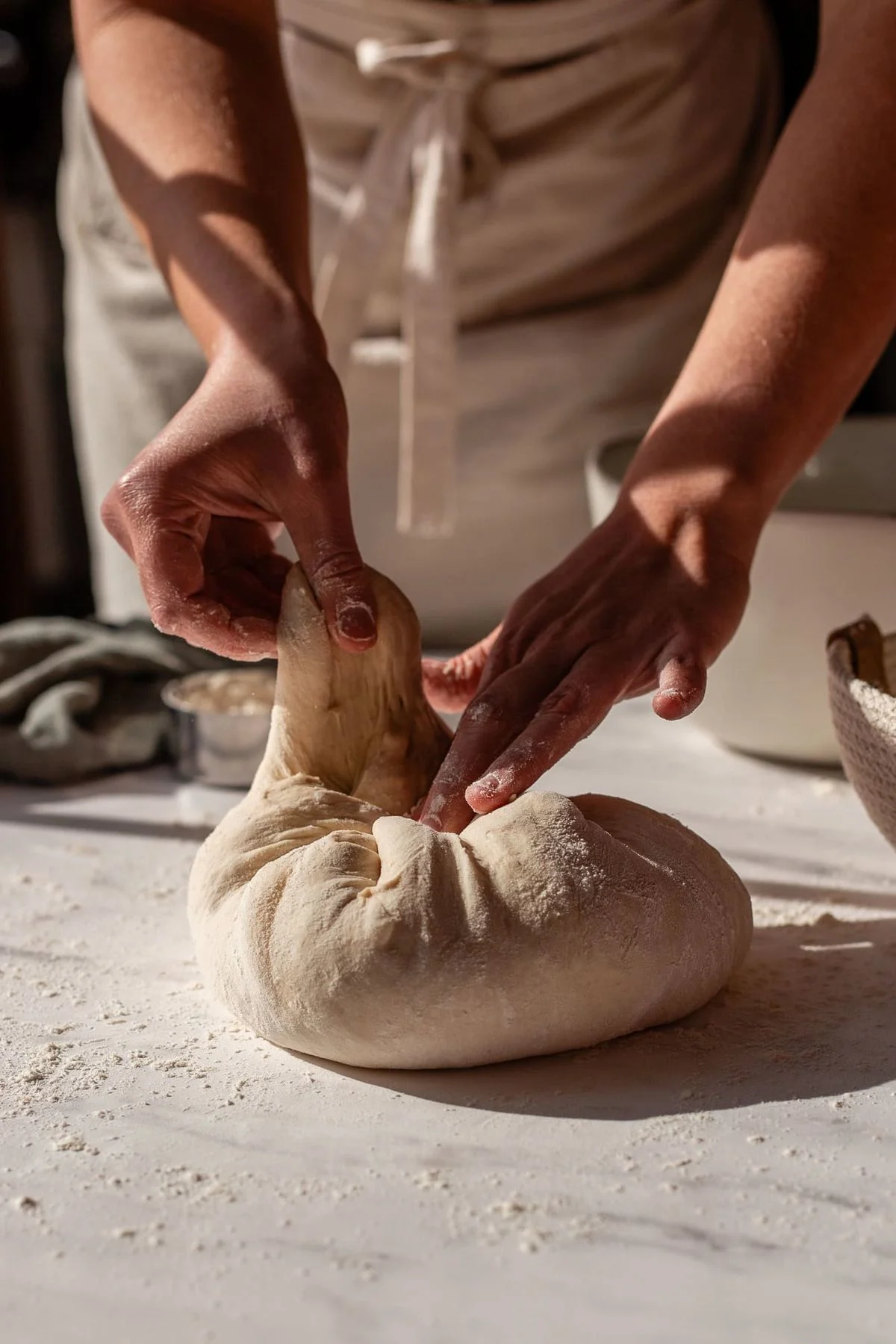
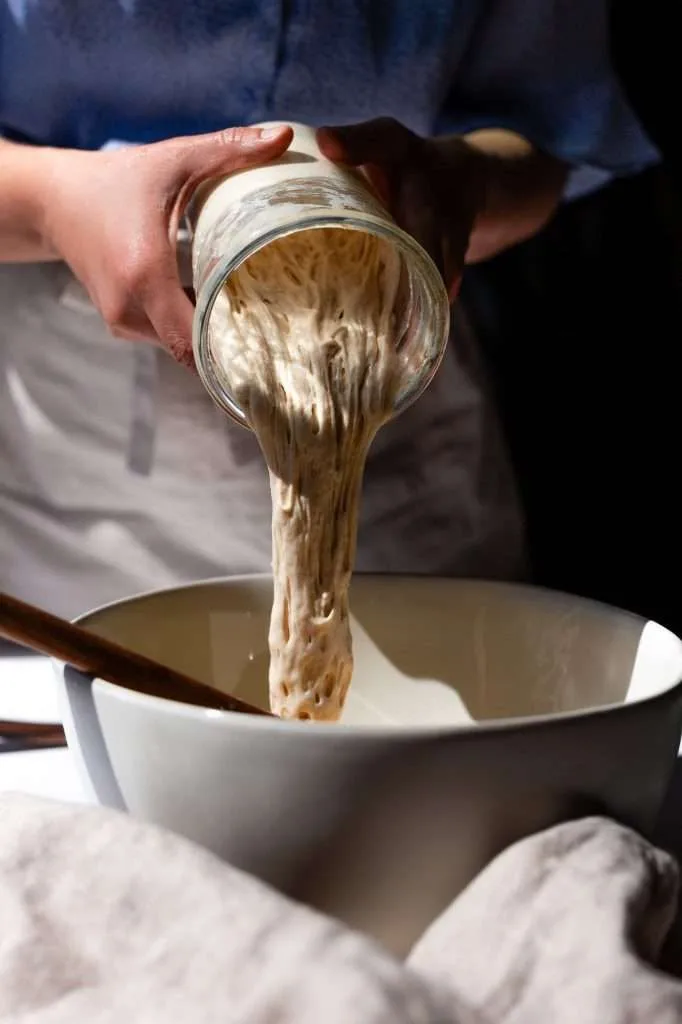
Timing and rhythm
Yeast is efficient. Starter is patience.
Flavor and depth
Dough made with commercial yeast tastes of:
Dough made with sourdough starter carries:
This is why sourdough bread feels alive – because it is.
Texture and feel
Commercial yeast tends to make:
Sourdough starter often produces:
You taste fermentation in every bite.
With commercial yeast, you follow a recipe timeline. With sourdough starter, you observe the dough:
• Its bubbles
• Its smell
• Its strength
• Its rise pattern
A sourdough starter is a living culture, not a machine. This creates a deeper connection to baking.
Neither is a miracle food. But sourdough fermentation can:
• Break down some starches
• Improve mineral availability
• Create bread that many people find easier to digest
The difference is subtle and felt over time rather than seen on labels.
What matters most:
• Quality flour
• Whole ingredients
• Slow fermentation
• Mindful eating
Some bakers choose commercial yeast for convenience. Others choose sourdough starter for the connection to fermentation and tradition.
There’s no right or wrong. Just different forms of nourishment.
Both breads feed the body. One nourishes routine. The other nurtures ritual.
• Warm water
• Yeast
• Flour
• A couple of hours
Bake the same day.
• Feed your starter
• Watch fermentation bubbles
• Observe dough growth
• Let time guide the process
Bake on the starter’s schedule.
Sourdough baking is about attention, not speed.
Commercial yeast and sourdough starter are two paths to making bread.
One is fast, efficient, and predictable.
The other is slow, alive, and deeply flavorful.
Bread is simple. Bread is ancient. Bread is human.
What matters is the rhythm of your kitchen, the taste you enjoy, and the joy of sharing a slice.Want to learn how to make your own sourdough starter and bake real sourdough bread? Join Tabchilli workshopsand begin your fermentation journey.
1. What is the difference between yeast and sourdough starter?
Commercial yeast is a single cultivated strain used for fast rising bread, while sourdough starter is a living culture of wild yeast and bacteria that ferments dough slowly.
2. Is sourdough bread healthier than yeast bread?
Many people find sourdough bread easier to digest because slow fermentation breaks down starches and changes the structure of the dough.
3. Why does sourdough take longer to rise than yeast bread?
Sourdough relies on natural fermentation from live cultures, which takes hours or overnight, compared to the fast action of commercial yeast.
4. Does sourdough starter contain probiotics?
Sourdough starter contains live cultures during fermentation, but most probiotics are reduced during baking due to heat. The benefits come from fermentation changes in the dough.
5. Which is better for beginners: yeast or sourdough starter?
Yeast is easier and faster for beginners, while sourdough starter requires patience, care, and regular feeding, but offers deeper flavor and tradition.
 15-day money back guarantee

893+ reviews