-

-
 0
0
0A thoughtful exploration of how different milks shape milk kefir from texture to taste, tradition, and everyday experience.

Making dairy kefir is simple: milk + milk kefir grains + time. But the type of milk you choose shapes everything about the finished milk kefir: how it feels in your mouth, how it supports milk kefir fermentation, and even how the kefir grains themselves thrive.
Just like choosing ingredients for a slow ferment in the Tabchilli kitchen, the milk isn’t an afterthought. It’s the foundation, and different milks give homemade milk kefir distinct personalities.
Below is a grounded guide to milks that work well with milk kefir grains, what each brings, and how to pick the best milk for kefir for your taste and rhythm.
Milk is not just a liquid base for dairy kefir. Its structure of proteins, fats, natural sugars, and minerals interacts directly with milk kefir grains in a living fermentation process. The grains feed on lactose, but they also respond to:
These elements influence:
Understanding milk in this way helps you choose the best milk for kefir, not only for taste, but for the long term health of your grains.
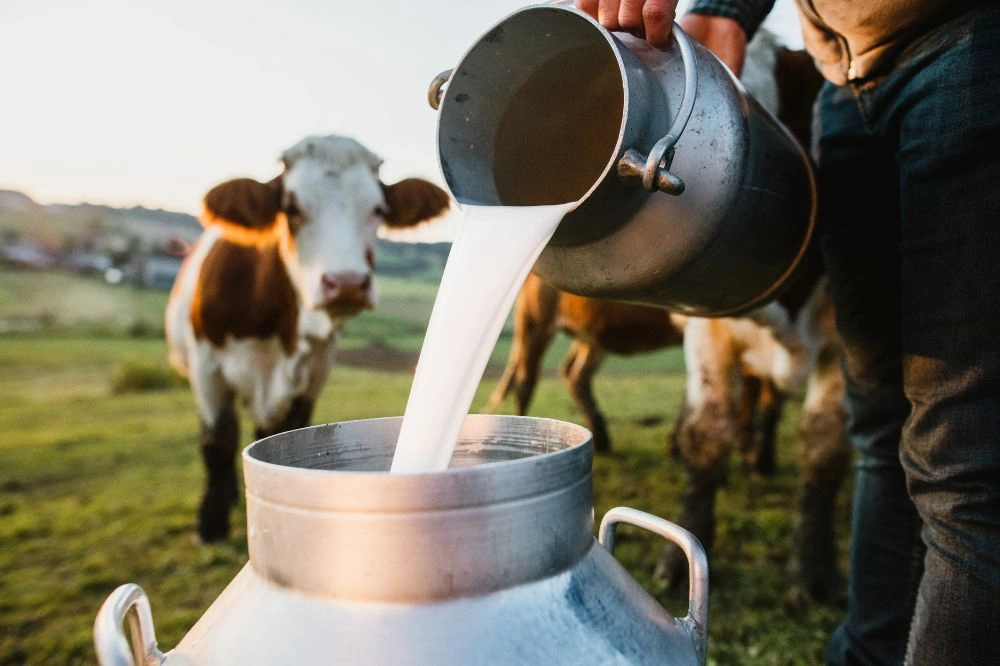
Whole Cow’s Milk: The Classic and Most Reliable Milk for Kefir
Whole cow’s milk is the most common and dependable choice for making milk kefir. It provides the ideal balance of lactose, fat, and protein for healthy milk kefir grains and creamy, consistent homemade milk kefir.
This community can:
Some people say it’s like adding a calm chorus, not a single loud voice. That subtle presence is part of milk kefir’s character – it doesn’t rush, it unfolds.
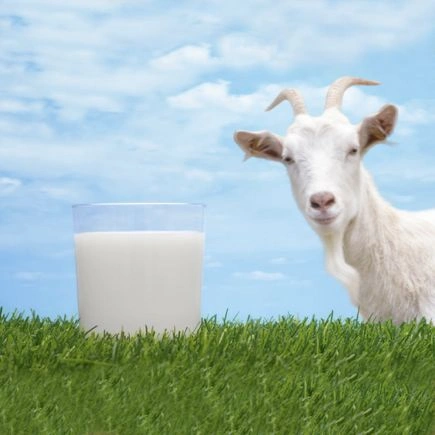
Goat’s Milk: Tangy, Lighter, and Characterful Dairy Kefir
Goat’s milk has a naturally tangy and earthy profile that expresses beautifully in dairy kefir.
People enjoy goat’s milk for milk kefir because:
Making milk kefir with goat’s milk often results in a drink that feels more expressive and nuanced on the palate.
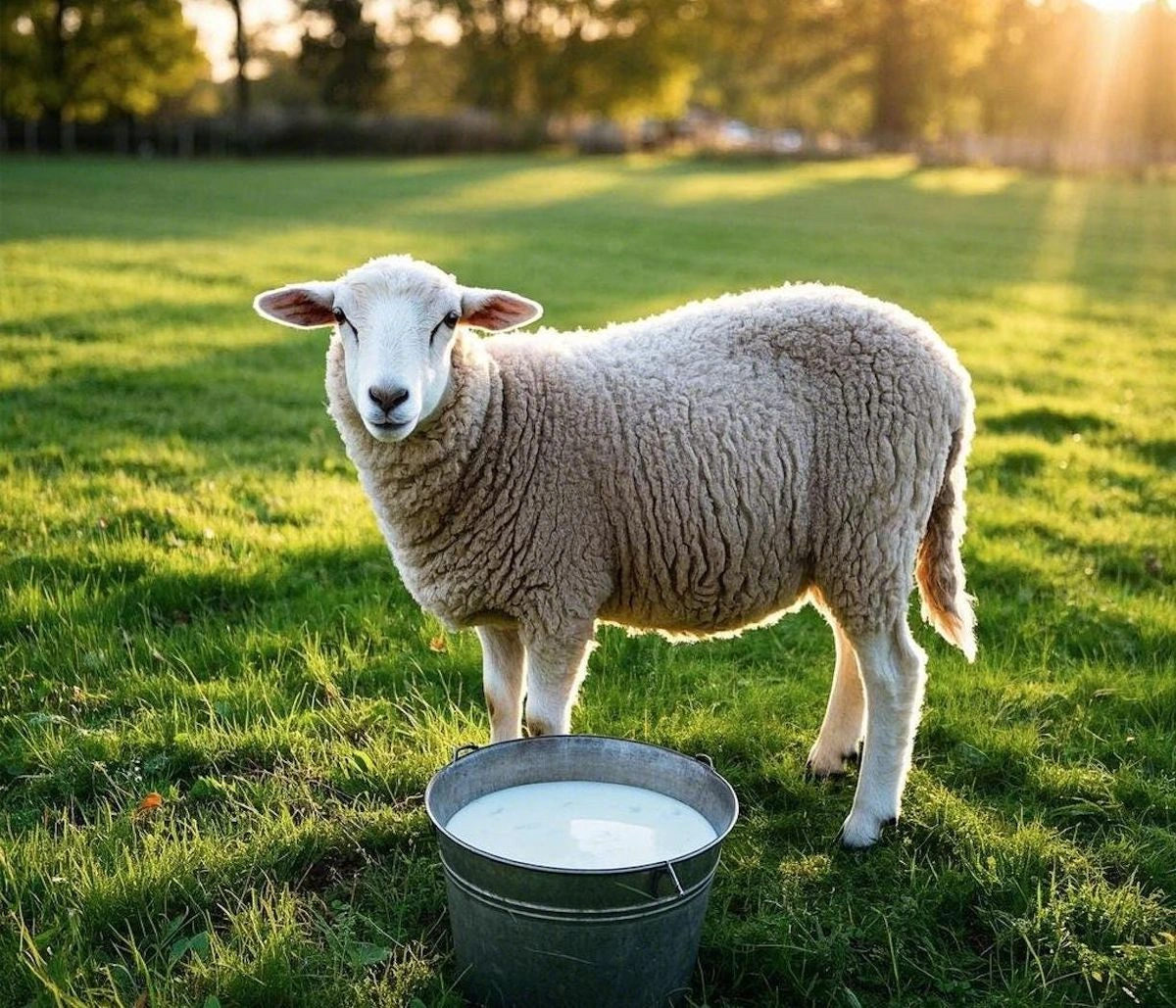
Sheep’s Milk: Rich, Thick, and Deeply Nourishing Milk Kefir
Sheep’s milk is higher in fat and protein, and this richness carries directly into your milk kefir.
For dairy kefir, sheep’s milk offers:
If cow’s milk feels too mild, sheep’s milk creates a more substantial homemade milk kefir experience.
A2 Milk: A Softer Option for Making Milk Kefir
A2 milk comes from cows that produce a slightly different protein structure. Some people find that milk kefir made with A2 milk feels gentler on digestion.
People enjoy goat’s milk for milk kefir because:
It’s not a dramatic departure -but for those who prefer a softer touch while keeping familiar kefir traditions, A2 milk can be a thoughtful choice.
Plant-based milks like almond, oat, soy, or coconut behave very differently with milk kefir grains.
This is because:
True dairy kefir relies on real milk to keep grains healthy and productive.
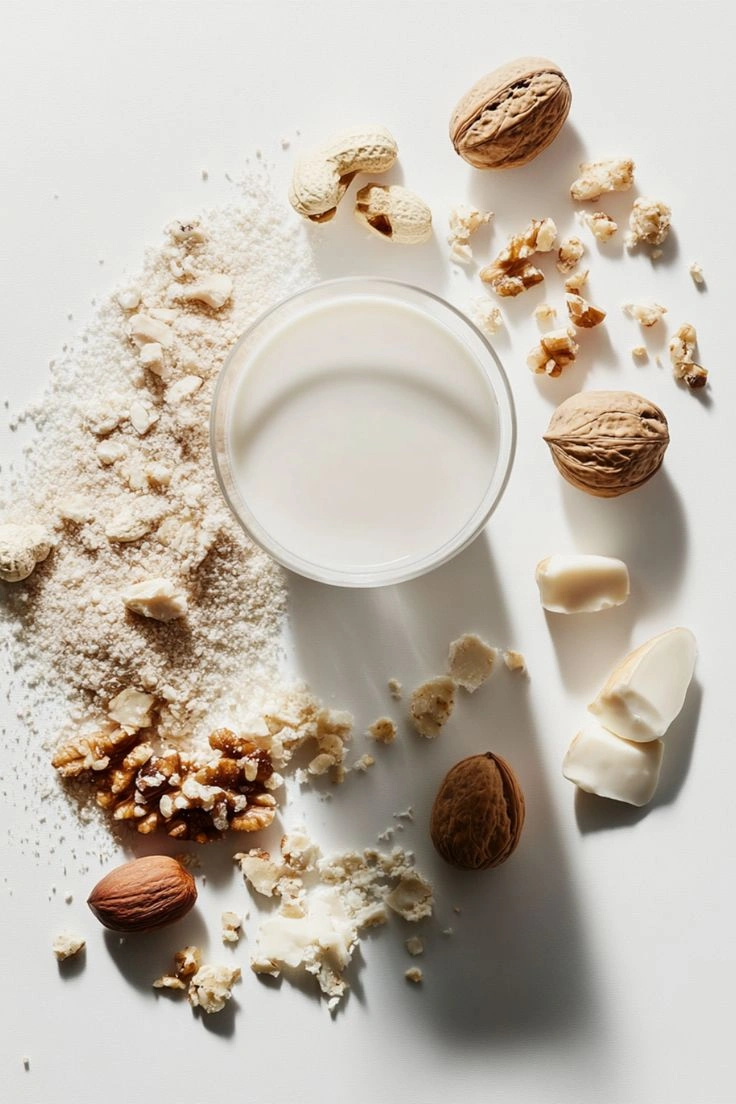
Some fermentation enthusiasts prefer raw milk for making homemade milk kefir because it can provide:
However:
For most people, learning how to make milk kefir, high quality pasteurized whole milk offers safer, more predictable results.
Here’s a simple way to think about it:
Choose whole milk if you want:
Choose goat’s milk if you want:
Choose sheep’s milk if you want:
Avoid plant milks for dairy kefir unless you:
The milk you choose directly impacts how your milk kefir grains grow and multiply.
Grains fed with proper dairy milk remain:
Poor milk choices over time can weaken grains and slow fermentation.
Choosing the best milk for kefir isn’t just technical. It’s a moment of intention – the same way you choose grains, timing, and care.
Whether you begin with cow’s milk or experiment with goat or sheep’s milk, the experience is one of mindful creation. Milk kefir connects you to food that lives, changes, and invites your presence.
In the end, the best milk is the one that feels right for your palate, your routine, and your kitchen table.
Want to learn more about making your own homemade milk kefir? Sign up for our workshop
1. What is the best milk for making milk kefir at home?
The best milk for milk kefir is whole cow’s milk because it contains the ideal balance of lactose, fat, and protein that helps milk kefir grains ferment properly and produce creamy, consistent homemade milk kefir.
2. Can you use plant milk with milk kefir grains?
Plant milks like almond, oat, or soy do not naturally support milk kefir grains because they lack lactose. While you can experiment, true dairy kefir fermentation works best with dairy milk that feeds the grains correctly.
3. Is goat’s milk good for making dairy kefir?
Yes, goat’s milk works very well for dairy kefir. It creates a lighter, tangier milk kefir and is often easier for some people to digest while still properly supporting milk kefir grains.
4. How does milk choice affect milk kefir grains over time?
Milk choice directly impacts the health of milk kefir grains. Milks rich in lactose and balanced nutrients keep the grains lively, productive, and strong, resulting in better milk kefir fermentation.
5. Can beginners use any milk to learn how to make milk kefir?
Beginners learning how to make milk kefir should start with whole cow’s milk because it offers predictable fermentation and helps milk kefir grains adapt easily, producing reliable homemade milk kefir.
 15-day money back guarantee

893+ reviews