-

-
 0
0
0How an ordinary mix of flour and water became one of the world’s most enduring living foods through sourdough fermentation.
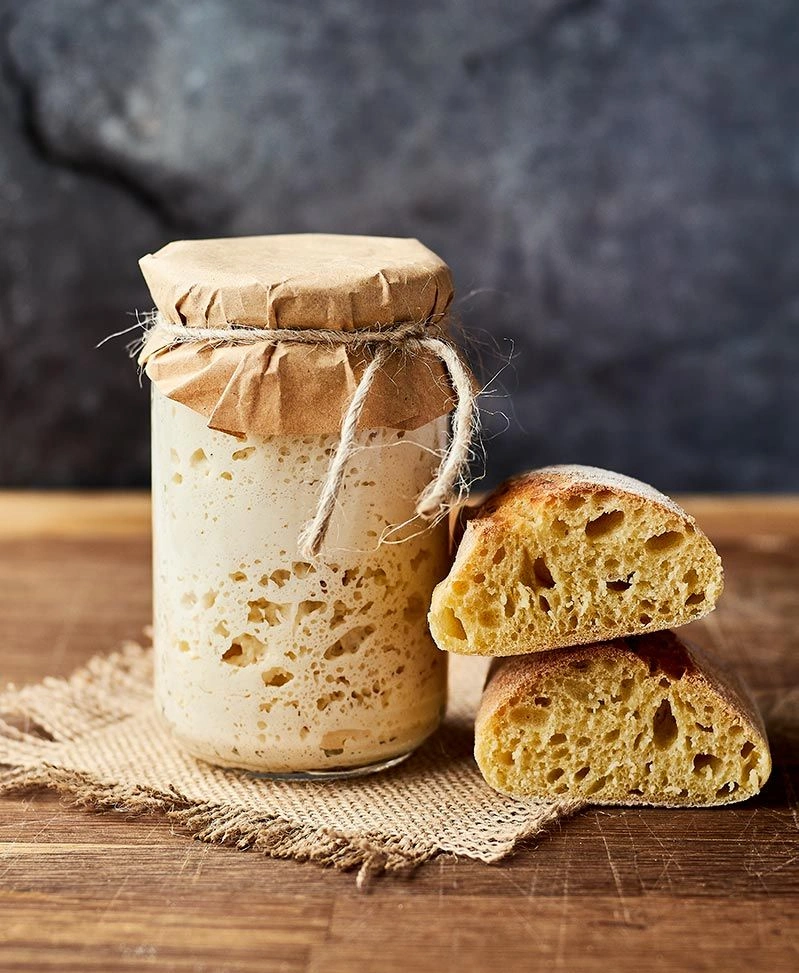
There is something quietly remarkable about sourdough bread. Not in grand declarations, but in its simplicity: flour, water, and time. Left together, they invite wild yeast and bacteria into the mix and, slowly, a living sourdough starter forms through natural fermentation. It is an ancient transformation that feels humble, deeply human, and rooted in everyday life.
Sourdough is not just bread. It is a living tradition that travels across continents and centuries, a collaboration between people and microbes that predates written history. Unlike modern baking that relies on commercial yeast, sourdough depends on the presence, patience, and living cultures that are nurtured over time.
Across the world, communities discovered, adapted, and carried these starters from generation to generation. Let us explore where sourdough bread came from, not just as food, but as a story of wild fermentation and human care.
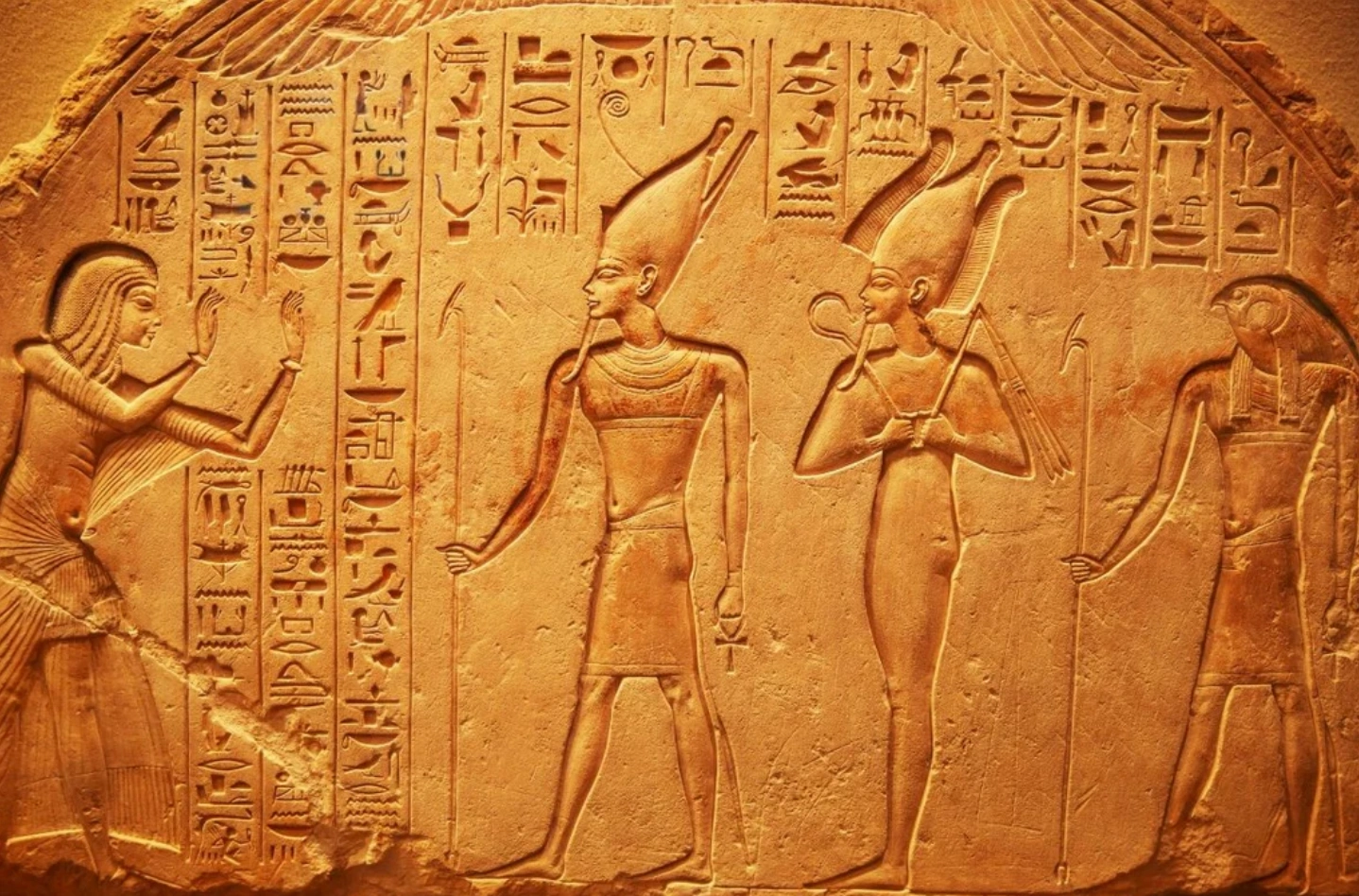
Long before commercial yeast existed, people discovered leavened bread by accident. A simple mixture of flour and water left in a warm place began to bubble as wild yeast fermentation naturally occurred. What emerged was lighter, airier, and more digestible bread created entirely through natural fermentation.
Archaeological evidence shows that as far back as 5,000 to 6,000 years ago, ancient Egyptians were already baking with early forms of sourdough starter. Hieroglyphs, tomb paintings, and ancient ovens reveal that early bakers lived with and nurtured these cultures long before packaged yeast became available.
This was sourdough bread rooted in nature, wild, unpredictable, and alive.
Sourdough did not belong to one region. Wherever grain and water were available, humans discovered fermentation.
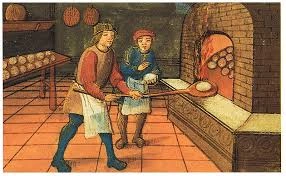
In medieval Europe, sourdough bread was a daily staple. Bakers carried sourdough starters from town to town. Across Asia and Africa, similar fermentation cultures emerged independently. Indigenous communities had their own names, rituals, and baking practices, all based on the same principle of wild yeast fermentation.
This diversity is part of sourdough history. It is not a single origin story, but many stories woven together through survival, curiosity, and shared knowledge.
Unlike commercial yeast, which is a single standardized strain, a sourdough starter is a living ecosystem. It is a community of wild yeasts and lactic acid bacteria living together in flour and water.
This matters because:
• The microbes vary by region
• The starter’s flavour changes over time
• Each sourdough culture carries a unique signature
No two starters are exactly alike. This is why sourdough bread from one kitchen tastes different from another, even when the same recipe is followed. Sourdough is personal, local, and shaped by environment, air, flour, and time.
For most of history, sourdough bread was made at home. Families nurtured their own sourdough starters, relying on natural fermentation for daily bread.
With industrialization, commercial yeast replaced wild fermentation because it was faster and more predictable. Bread became standardized, but something subtle was lost: the connection to place, time, and living cultures. In recent years, people have returned to sourdough baking not out of nostalgia, but from a desire for food that feels real, grounded, and connected to nature’s rhythm.
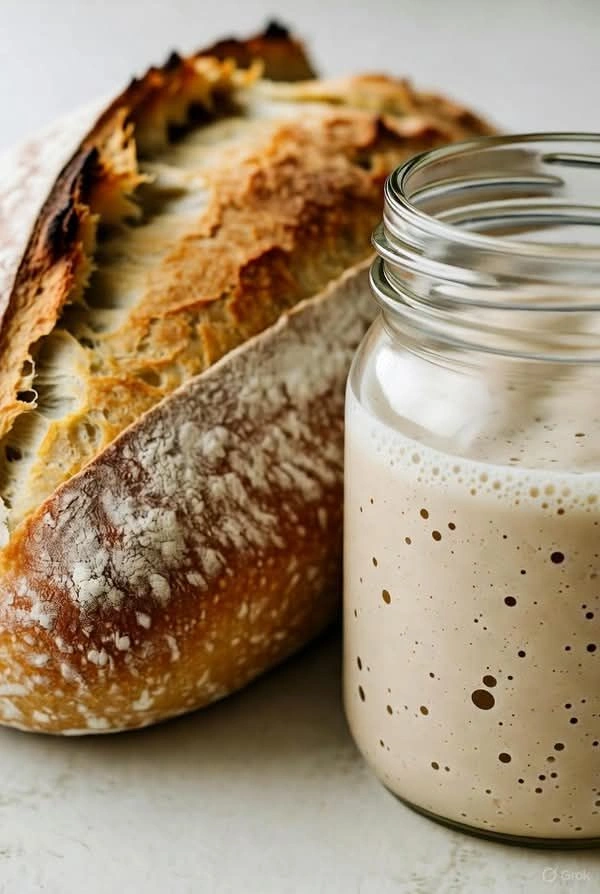
Sourdough fermentation is not only about rising dough. It is about a relationship with time and microbes.
Each loaf begins with:
• A living sourdough starter you nurture
• A slow fermentation process that can take hours or days
• A transformation shaped by care and patience
The experience of sourdough invites mindfulness, patience, and gratitude. This is bread that participates in life rather than rushing it.
Today’s sourdough revival blends old wisdom with modern curiosity. People are sharing starters across continents, experimenting with heritage grains, and building communities around fermentation.
The starter you tend today carries a lineage of air, flour, water, and human hands that came before. Making sourdough bread is an ongoing conversation between you and the living cultures in your kitchen.
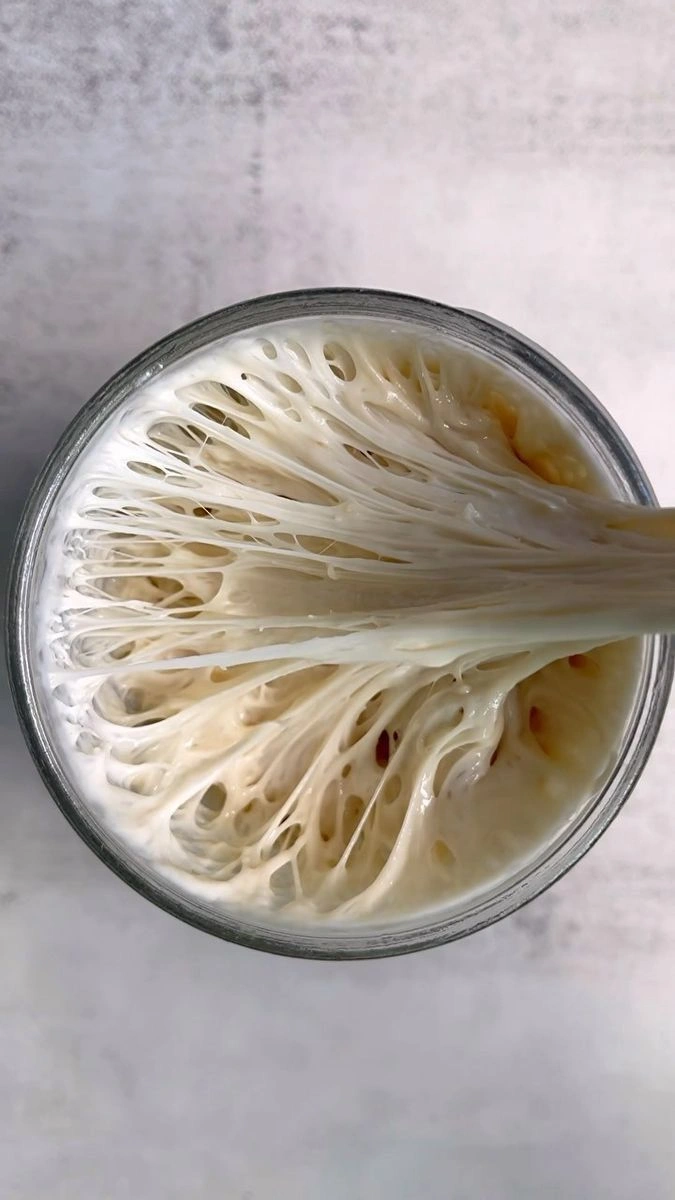
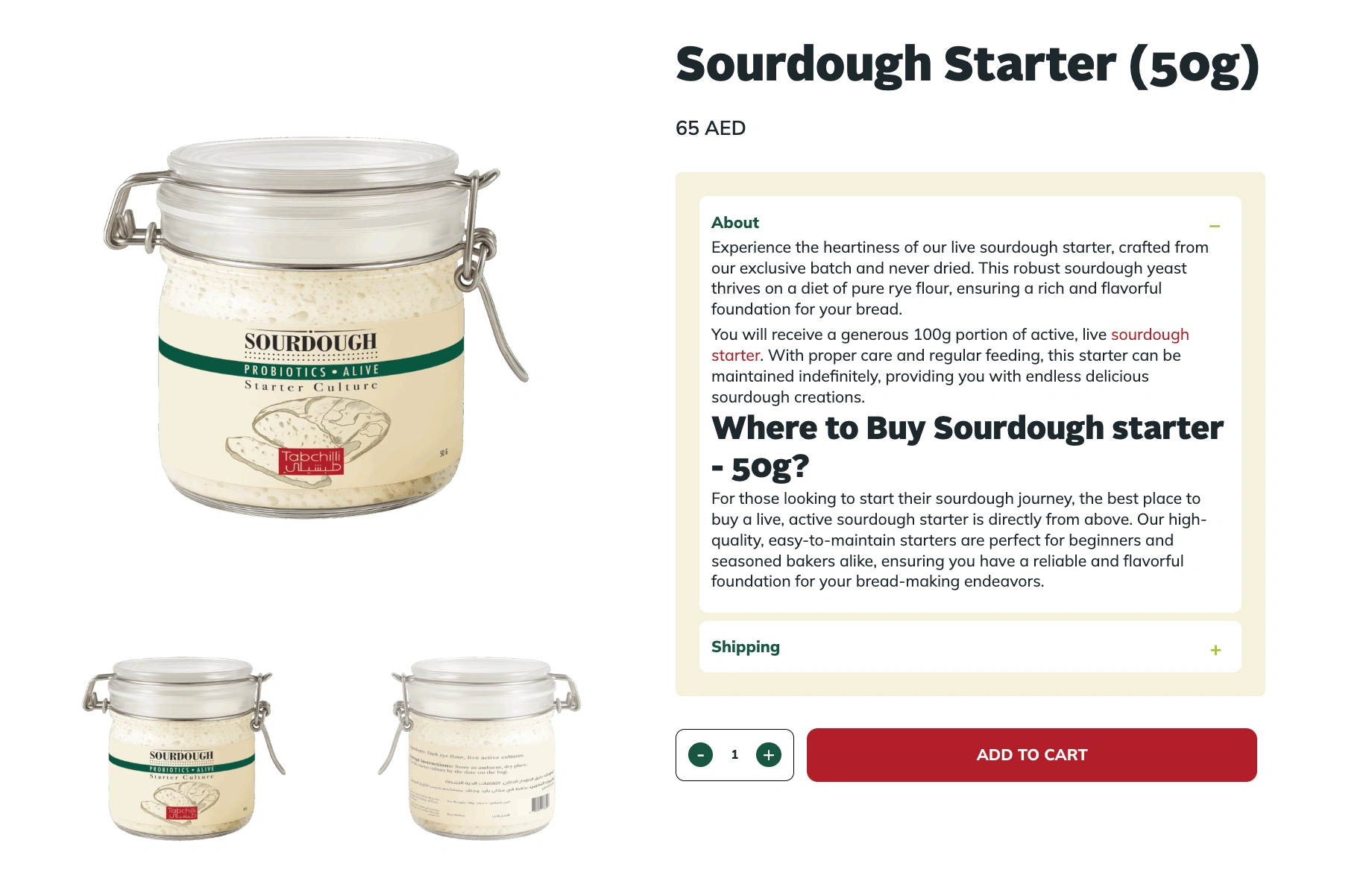
If you want to begin your own sourdough baking journey, starting with a healthy sourdough starter makes the process simple and rewarding. With flour, water, and time, you can experience the same wild yeast fermentation that people have practiced for thousands of years. Shop our sourdough starter and bring this living tradition into your kitchen.
A sourdough starter is a living mixture of flour and water that captures wild yeast and beneficial bacteria from the environment. Through natural fermentation, these microbes help the dough rise and give sourdough bread its unique flavour, texture, and digestibility without using commercial yeast.
Sourdough bread relies on wild yeast fermentation, which develops naturally over time. Unlike commercial yeast, a sourdough culture creates deeper flavour, better texture, and a living fermentation process that reflects the environment where the starter is kept.
Many people find sourdough bread easier to digest because natural fermentation breaks down some of the gluten and phytic acid in flour. While it is not a health cure, sourdough baking often results in bread that feels lighter and more satisfying compared to bread made with commercial yeast.
Historical evidence shows that sourdough bread dates back over 5,000 years to ancient Egypt. Early bakers used wild yeast and natural fermentation long before commercial yeast was invented, making sourdough one of the oldest forms of leavened bread.
Yes. With a healthy sourdough starter, flour, water, and patience, anyone can begin sourdough baking at home. The process is simple, and over time, you will learn how natural fermentation works in your own kitchen environment.
 15-day money back guarantee

771+ reviews