-

-
 0
0
0Exploring nourishment, tradition, and how natural fermentation changes the story of bread.

Bread is one of those foods that feels both everyday and ancient. Most of us grew up with soft, store-bought loaves that are quick to slice and easy to toast. But then there is sourdough bread, slow, tangy, and made with a living sourdough starter through natural fermentation.
When people ask, “Is sourdough healthier than regular bread?” they are really asking how natural fermentation changes bread and how our bodies respond to it. Sourdough is not magic. It is a living process. And sometimes that makes all the difference.
Most regular breads in supermarkets use commercial yeast. This yeast is cultivated for speed and consistency, creating a predictable rise, a uniform crumb, and a long shelf life.
It is efficient and meets high demand. But in doing so, it skips the slow natural fermentation process that traditional bread once relied on.
In-store bread, you often find:
These ingredients support convenience, not necessarily nourishment.
Regular bread is not “bad.” It serves a purpose. It is accessible, consistent, and familiar. But nutritionally and experientially, it is very different from naturally fermented sourdough bread that develops over time.
Sourdough bread begins with a simple mix of flour and water that is fed over time until it captures wild yeast and lactic acid bacteria. This becomes a sourdough starter, a living culture that leavens bread without commercial yeast.
During fermentation, these microbes:
The result is:
This natural fermentation process changes how many people experience bread in their body.

One of the most common reasons people say sourdough bread is easier to digest is because of fermentation:
This does not mean sourdough is a digestive cure. But many people report that sourdough feels lighter, less heavy, and more comfortable than highly processed bread.
The experience is personal. There is no universal rule. But a common theme appears: sourdough often feels gentler on digestion.
Because sourdough goes through slow natural fermentation, its structure changes. This slower fermentation can soften the glycemic impact compared to bread raised quickly with commercial yeast.
Food that releases sugars more slowly into the bloodstream often feels steadier, with less spike and crash.
Studies suggest that sourdough bread may offer a gentler glycemic response than regular bread, depending on flour type and fermentation time.
Flour contains proteins, B vitamins, and minerals. But how available these nutrients are to your body depends on fermentation.
Wild yeast fermentation encourages small shifts in:
These changes are subtle and gradual. They are part of the quiet strength of naturally fermented foods like sourdough bread.
Sourdough bread does not fix every dietary concern. It is still bread comforting, traditional, and alive in process.
But compared to many commercial breads, sourdough:
For people who enjoy whole foods, mindful eating, and traditional fermentation, sourdough fits naturally into daily meals.
There is space for all types of bread.
Sometimes you want:
Bread should not be reduced to health labels. It is about purpose and how it feels in your body.
Better? Not universally.
Different? Yes — gently, meaningfully, and in ways many people experience as more satisfying and nourishing.
Health is not a label. It is a rhythm between food and your body.
Sourdough bread invites you to slow down, taste more deeply, and return to bread as a living tradition shaped by natural fermentation.

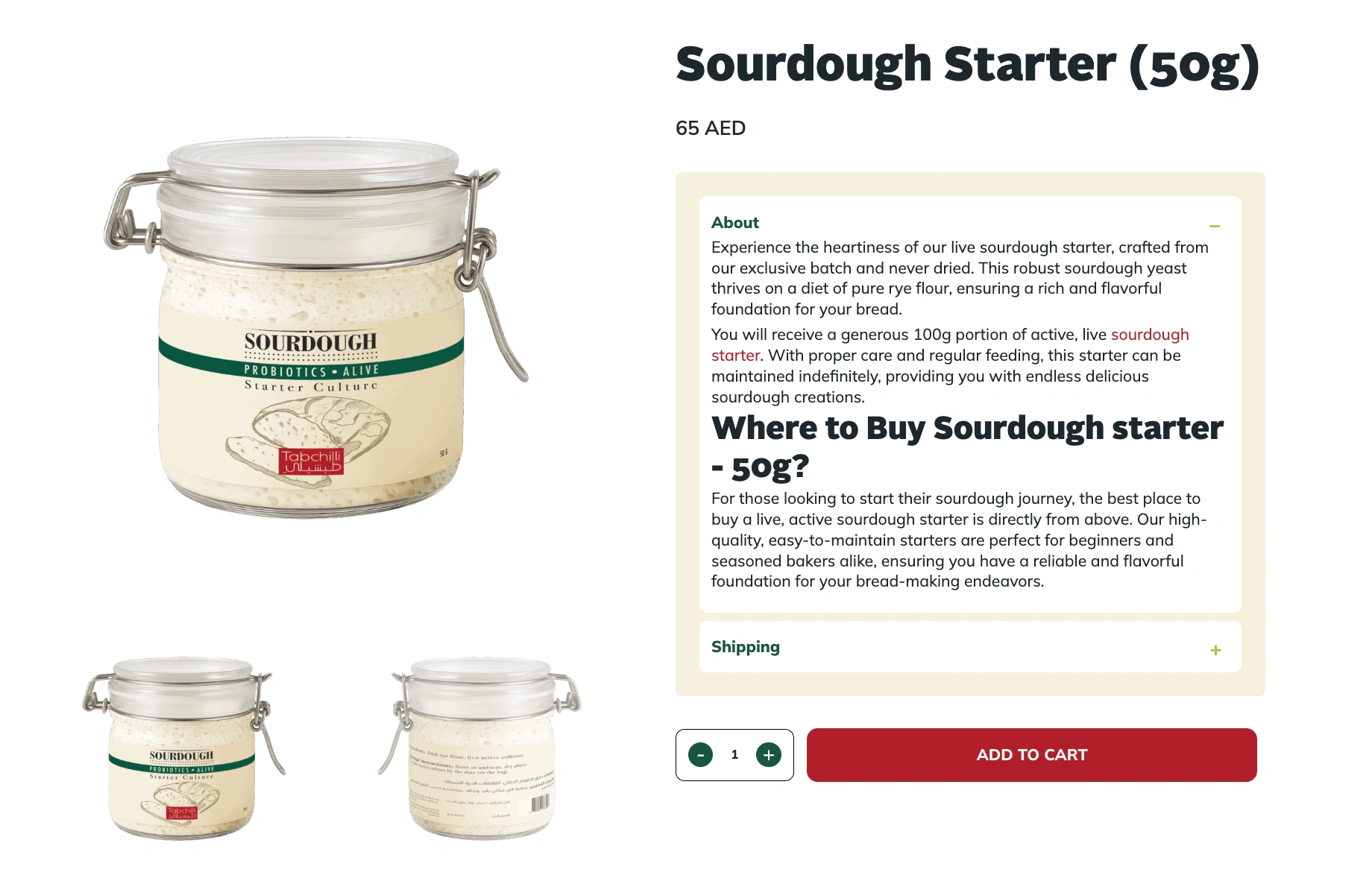
Shop sourdough starter on Tabchilli.com
1. Is sourdough bread healthier than regular bread?
Sourdough bread is often considered healthier because it is made through natural fermentation with a sourdough starter, which may support better digestion, improved nutrient availability, and a gentler glycemic response than regular bread.
2. Why is sourdough easier to digest than regular bread?
The slow fermentation process in sourdough partially breaks down starches and proteins, making the bread feel lighter and easier on digestion for many people.
3. Does sourdough bread have a lower glycemic index?
Yes, sourdough bread can have a lower glycemic impact because fermentation slows how sugars are released into the bloodstream compared to regular yeast bread.
4. What is the main difference between sourdough and regular bread?
Sourdough uses a natural starter with wild yeast and bacteria, while regular bread uses commercial yeast for faster rising. This changes the flavor, texture, and digestion experience.
5. Is sourdough bread good for gut health?
Although baking removes live cultures, the fermentation process changes the bread structure in a way that many people find gentler and more comfortable for the gut.
 15-day money back guarantee

888+ reviews