-

-
 0
0
0A grounded look at how salt, time, and patience turn humble cabbage into probiotic sauerkraut that quietly supports gut health, digestion, and daily nourishment.
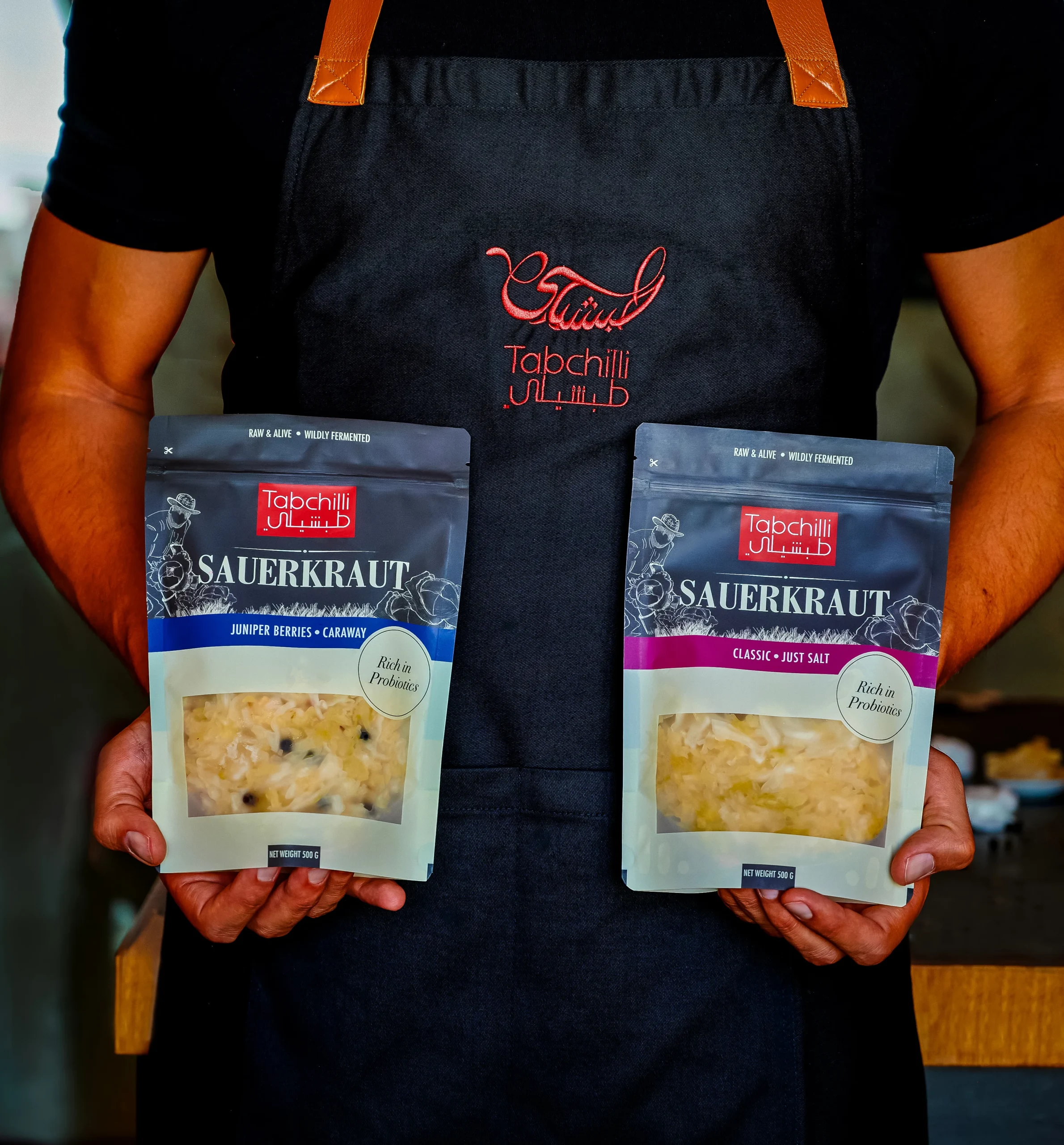
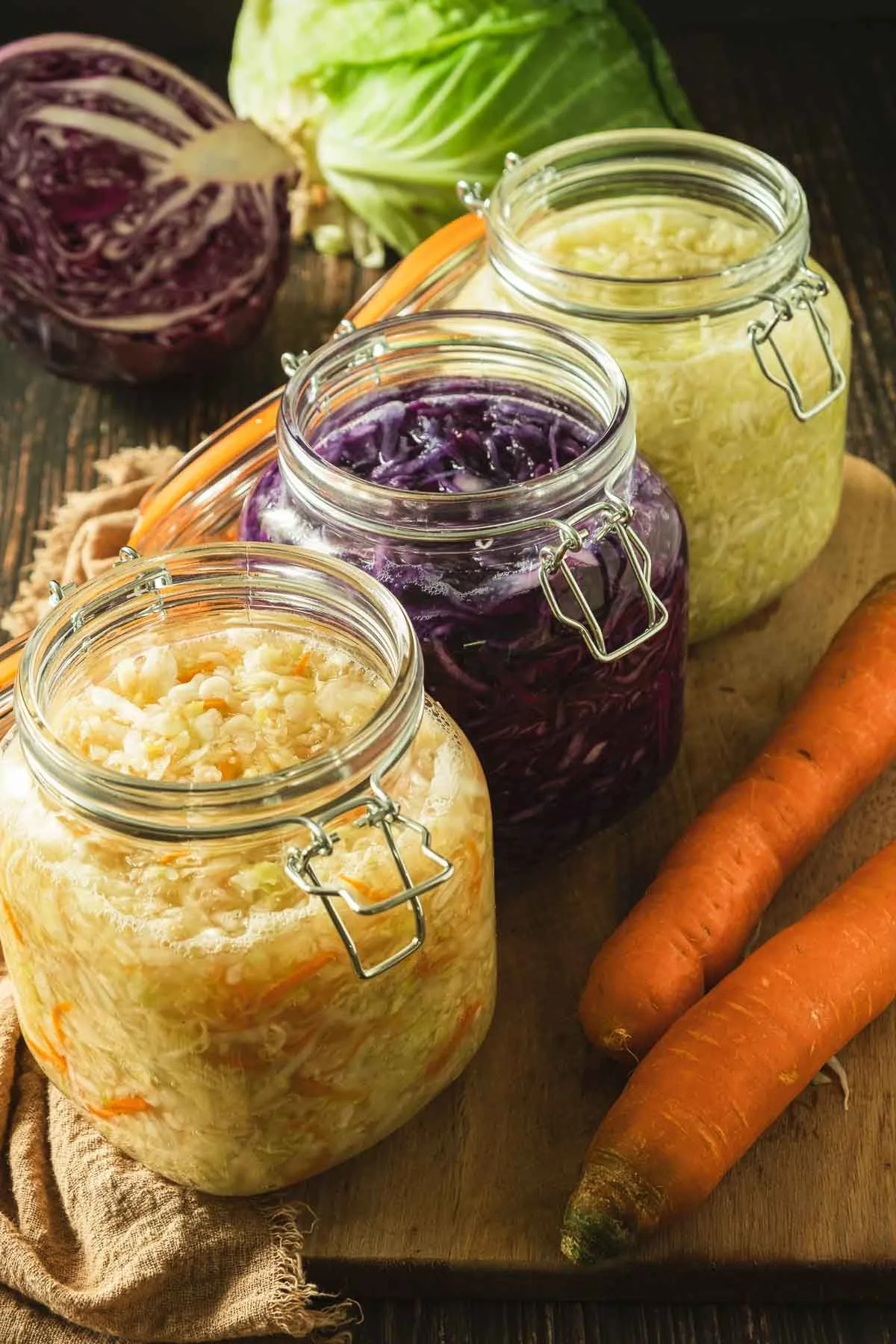
Sauerkraut is one of the simplest fermented foods in the world. Just cabbage, salt, and time. No starter cultures, no shortcuts. Yet this jar of fermented cabbage has travelled through centuries and cuisines, feeding families through winters and anchoring meals with its sharp, living presence.
When we talk about the health benefits of sauerkraut, it helps to begin here: this food was never designed to optimize anything. Traditional raw sauerkraut was made to preserve cabbage, to nourish, and to accompany everyday meals. The probiotic and gut health benefits are a natural result of lactic acid fermentation.
Fresh cabbage is crisp and clean. Fermented cabbage becomes something entirely different.
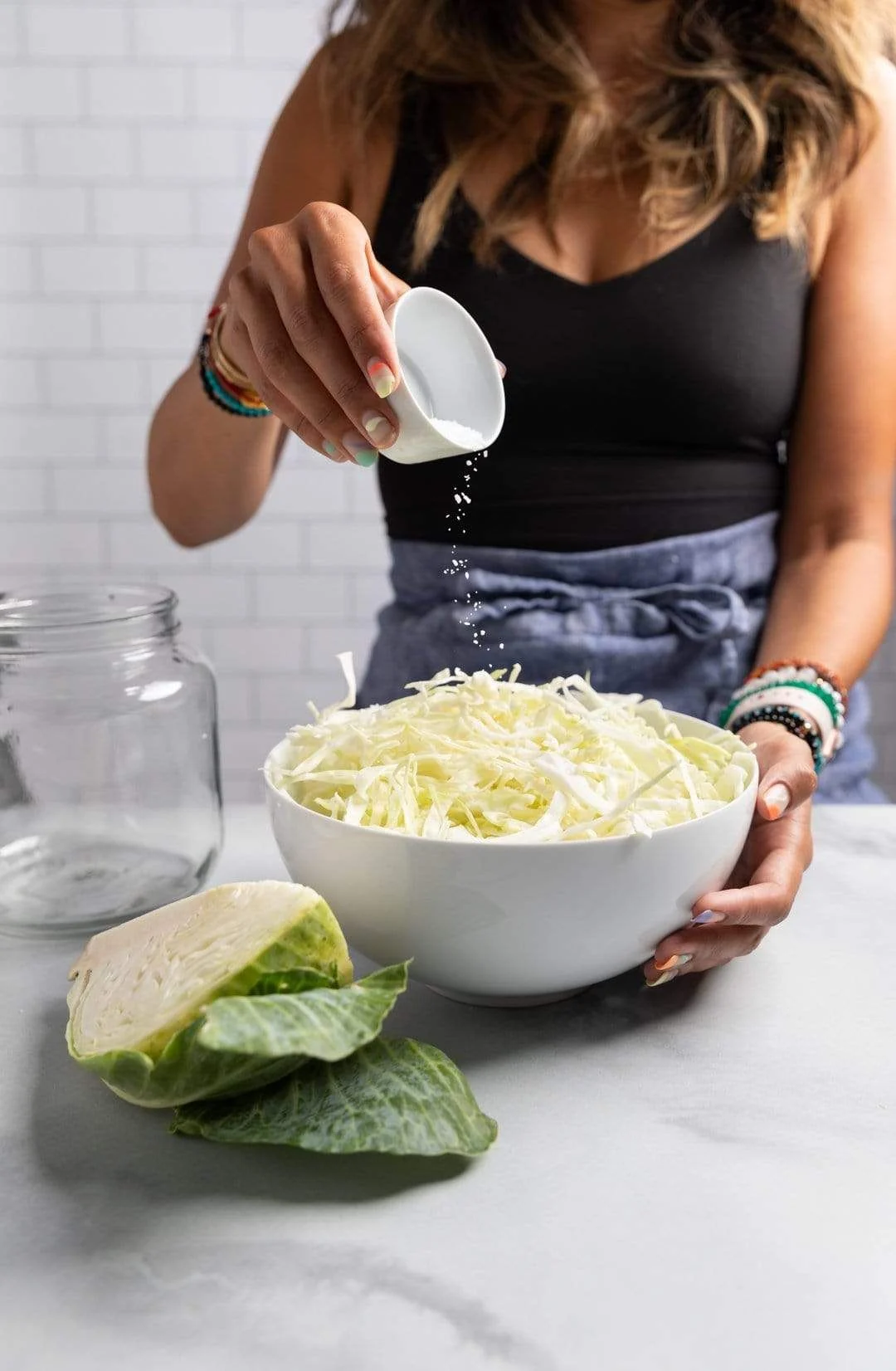
As salt draws out moisture, a natural brine forms. Inside this brine, lactic acid bacteria begin their work. Over days and weeks, they:
This slow fermentation process doesn’t add anything artificial. It simply transforms cabbage into probiotic sauerkraut that many people find gentler and more supportive for digestion and gut health.
A Living Source of Beneficial Microbes
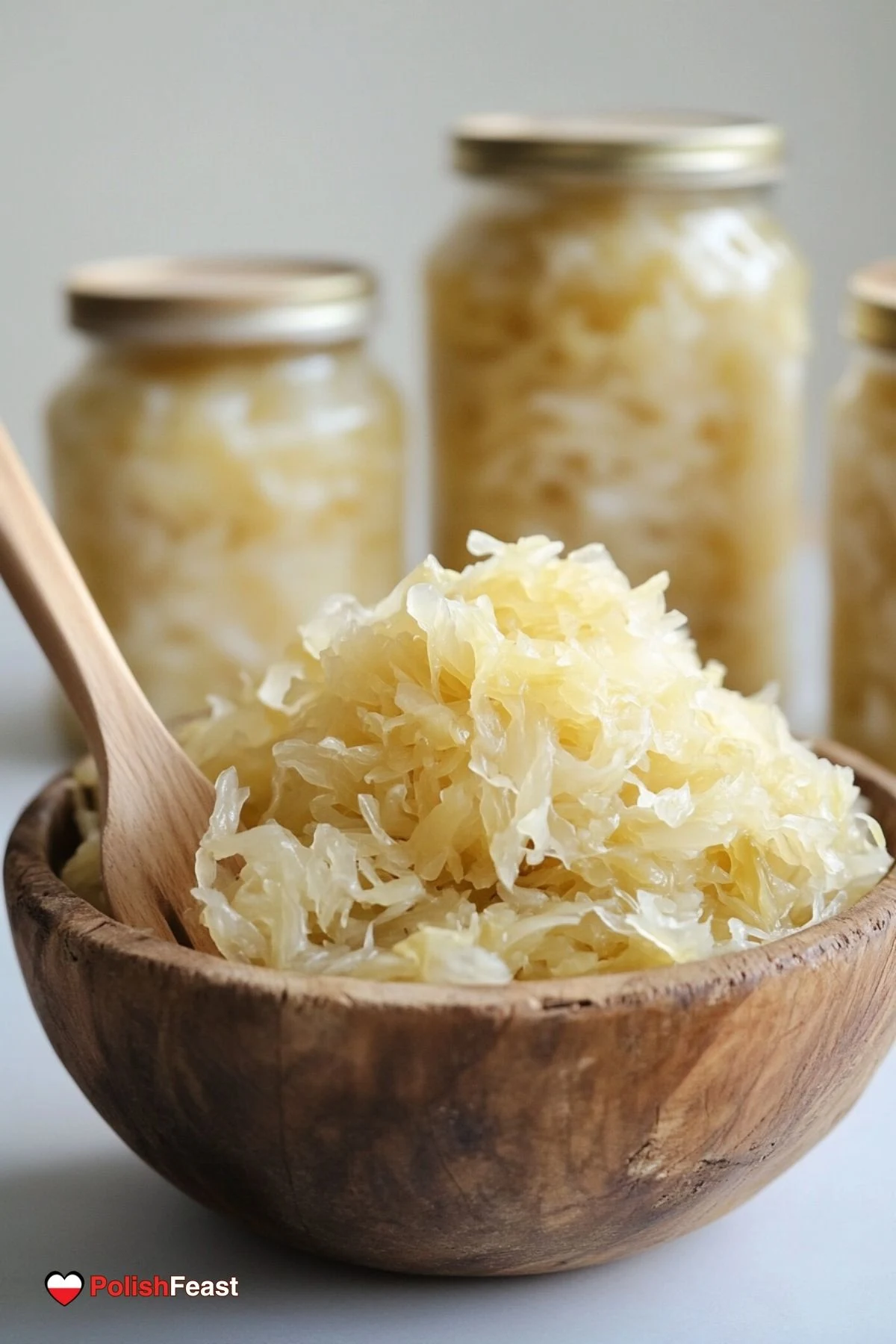
Traditionally made raw sauerkraut is alive. Because it is not pasteurised or heat processed after fermentation, it carries live probiotic cultures from the jar to your plate.
Rather than focusing on numbers, it is more helpful to think in terms of microbial diversity. Sauerkraut offers a balanced community of microbes shaped by:
For many people, adding a spoonful of probiotic sauerkraut to meals feels like a steady, approachable way to support gut health without overwhelming digestion.
Gentle Support for Digestion
One of the oldest purposes of fermentation is to make vegetables easier to digest.
As cabbage turns into sauerkraut:
This is why sauerkraut is traditionally served alongside meals, not eaten alone. A small portion of fermented cabbage can bring brightness and digestive support to heavier foods.
Many people notice that sauerkraut feels easier on the stomach than raw cabbage. This is a quiet but powerful example of how lactic acid fermentation changes both flavour and digestive experience.

Nutrient Preservation Through Fermentation
Fermentation does not destroy nutrients. In many cases, it preserves them.
Sauerkraut retains:
Because raw sauerkraut is not cooked, it keeps much of the original nutritional value of cabbage, simply in a preserved and transformed form
A Natural Companion to Balanced Meals
Sauerkraut is not meant to dominate the plate. Its role is subtle and supportive.
Traditionally, sauerkraut appears:
Its acidity and saltiness help:
This is nourishment through placement and portion. The health benefits of sauerkraut come from integration into meals, not excess.
A Steady Rhythm for Gut Comfort
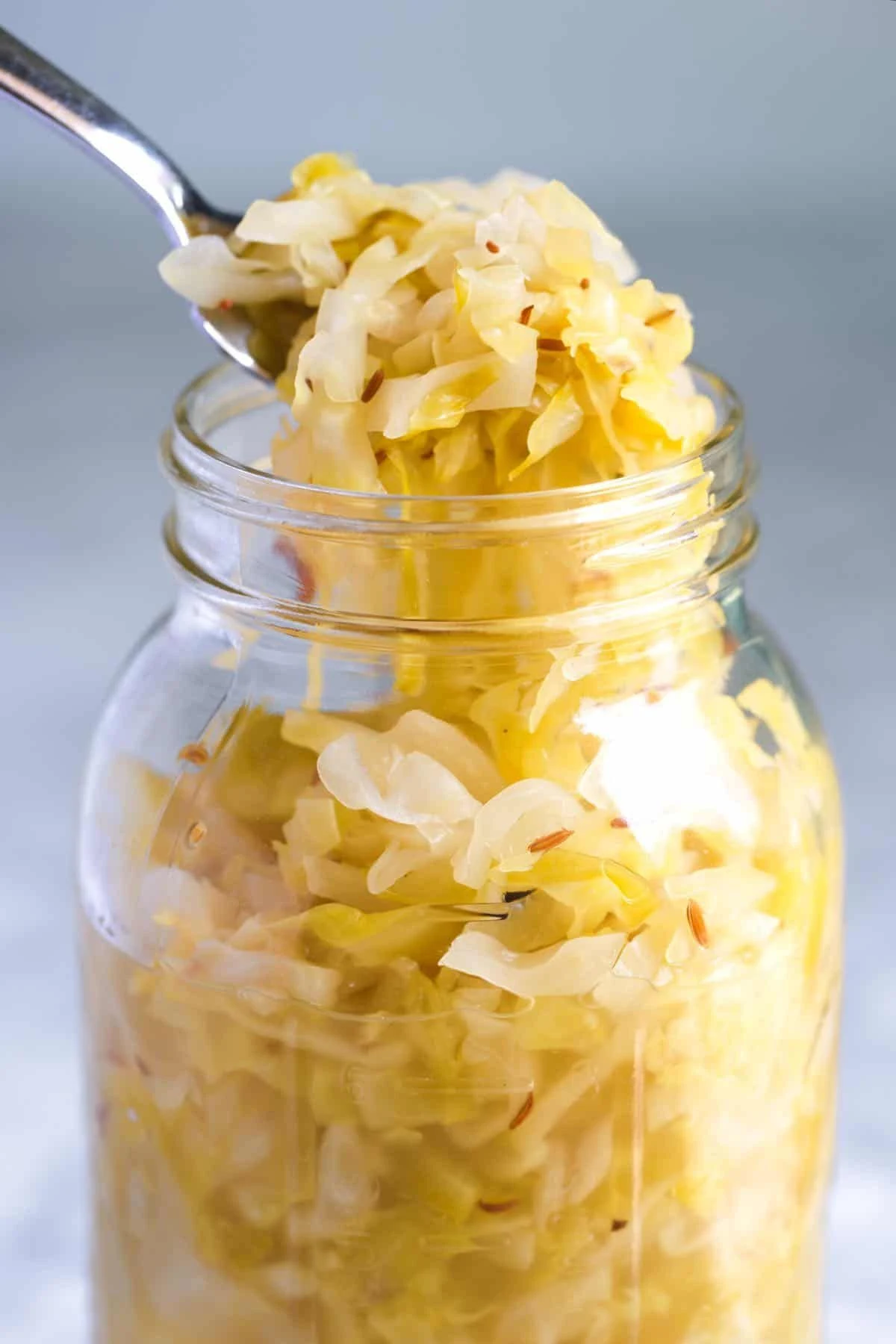
Unlike spicy ferments, sauerkraut has a clean, sharp, uncomplicated flavour. That simplicity makes it easy to return to regularly.
When eaten consistently in small portions, probiotic sauerkraut can feel:
Consistency is where gut health benefits quietly build over time.
Emotional and Traditional Nourishment
Sauerkraut is more than a probiotic food. It carries tradition.
It is the jar in the kitchen, the crock on the counter, the smell that signals care and patience. Fermented foods often bring emotional comfort alongside physical support.
These benefits do not appear on labels, but they are part of why fermented cabbage has endured for centuries.
Sauerkraut is:
Sauerkraut is not:
When framed modestly, the health benefits of sauerkraut show up quietly, through regular use.
If you are new to sauerkraut:
If you already enjoy it:
The goal is not intensity. The goal is consistency.
Learn how to make your own homemade sauerkraut and other fermented foods at Tabchilli workshops.

Yes, raw probiotic sauerkraut is widely valued for gut health because it contains live cultures created through natural lactic acid fermentation. These beneficial microbes may help support a balanced gut environment when sauerkraut is eaten regularly in small portions alongside meals.
Fermentation changes cabbage in ways that make it easier to digest. As cabbage turns into probiotic sauerkraut, fibers soften, complex compounds break down, and natural acidity develops, which can gently stimulate digestion and make meals feel lighter on the stomach.
Yes, traditionally made raw sauerkraut that is not pasteurised contains live probiotic cultures. These microbes remain active in the jar and reach your plate, making sauerkraut a natural source of probiotics that support gut health and digestion.
A small portion is enough. Most people start with one tablespoon of sauerkraut alongside meals. The benefits of sauerkraut for gut health come from consistency over time, not from eating large quantities at once.
To get the gut health benefits of sauerkraut, choose:
Avoid shelf-stable, pasteurised versions, as heat can destroy the beneficial probiotics.
 15-day money back guarantee

893+ reviews