-

-
 0
0
0A grounded look at how a humble jar of fermented vegetables became a staple of nourishment, flavour, and daily rhythm through traditional lactic acid fermentation.
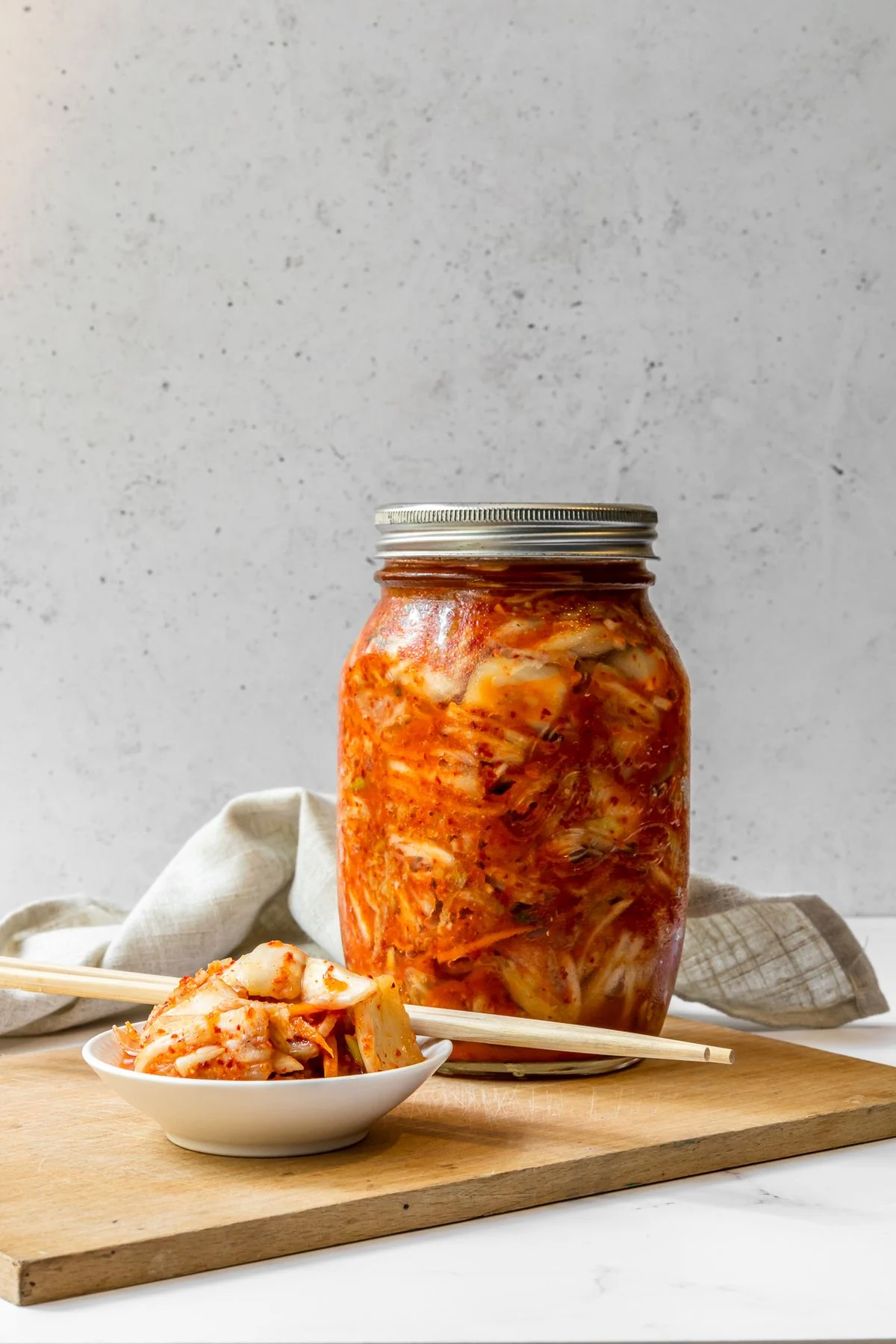
Kimchi is not a trendy food. Traditional kimchiis a survival food, a family food, and a seasonal food born out of necessity, care, and patience. Long before probiotics became a marketing term, fermented kimchiwas made to preserve vegetables through cold winters, turning cabbage, salt, and spice into something naturally alive.
Today, kimchi is often celebrated for its kimchi health benefits. But to understand what kimchi truly offers, we have to look beyond labels and into the living process of lactic acid fermentationthat creates this probiotic fermented food.
At its core, kimchi is vegetables transformed by lactic acid fermentation. Salt draws out moisture, creating a natural brine where beneficial bacteria begin their work. Over time, these microbes:
• lower the pH
• preserve the vegetables naturally
• develop tang, depth, and complexity
This slow fermentation is what gives fermented kimchi its character, not just in flavour, but in how it interacts with the body.
Kimchi is not cooked into life.
Raw kimchi is allowed to become alive through fermentation.
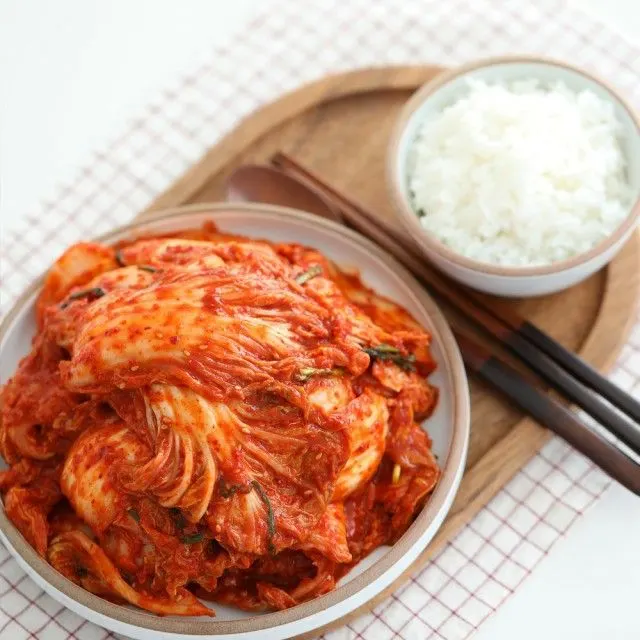

Kimchi as a Living Source of Beneficial Microbes
Because kimchi is fermented and eaten raw, it carries live cultures into the diet. These microbes are not added later. They emerge naturally through fermentation.
Rather than delivering a single strain, probiotic kimchi offers:
Many people find this diversity supportive when kimchi is enjoyed regularly in small amounts. This is not about potency. It is about rhythm and consistency that support gut health.
How Fermented Kimchi Supports Easier Digestion
Fermentation does more than preserve vegetables. It pre-processes them.
As kimchi ferments:
Its role is to support digestion, not dominate the plate. Many people describe kimchi for digestion as something that wakes up a meal by adding acidity and movement without heaviness.


Nutrient Preservation Through Fermentation
Fresh vegetables are nutritious, but fermentation can preserve and transform nutrients rather than destroy them.
Traditional kimchi retains:
Because raw fermented kimchi is not heat processed, it keeps much of the nutritional profile of the original vegetables, often in a more accessible form.
This is traditional food wisdom preserving nutrition through time, not technology.
How Fermented Kimchi Supports Easier Digestion
Fermentation does more than preserve vegetables. It pre-processes them.
As kimchi ferments:
Its role is to support digestion, not dominate the plate. Many people describe kimchi for digestion as something that wakes up a meal by adding acidity and movement without heaviness.


Spice, Warmth, and Nourishment in Traditional Kimchi
Many kimchi recipes include:
These ingredients are used in traditional food cultures to warm the body, support circulation, and enhance appetite and flavour.
The heat in kimchi is not about shock value. It is about awakening the senses and adding liveliness to everyday food.
Emotional and Cultural Comfort Through Kimchi Ritual
Kimchi is rarely just food. It is memory, routine, and care passed through generations.
Making and eating kimchi regularly:
The health benefits of kimchi are not only physical. They are cultural, emotional, and deeply rooted in food ritual.
Health isn’t only physical.
It’s emotional and cultural, too.
Kimchi is not:
The value of fermented kimchi comes from consistency and modest portions as part of real meals. When kimchi is exaggerated as a miracle food, it loses the humility that makes it powerful.
If you are new to kimchi:
If you already enjoy kimchi:
Kimchi works best as part of a living food rhythm that supports digestion and gut health naturally.
Learn how to make your own traditional fermented kimchi at home at our Tabchilli workshops.

1. What are the health benefits of eating kimchi daily?
Eating kimchi daily in small amounts may support digestion, gut comfort, and microbial diversity because it is a naturally fermented vegetable with live cultures.
2. Is kimchi a probiotic food?
Yes, raw and traditionally fermented kimchi is a probiotic food because it contains live lactic acid bacteria formed during fermentation.
3. How much kimchi should you eat for probiotic benefits?
A small spoonful of kimchi alongside meals is enough to introduce beneficial microbes without overwhelming the digestive system.
4. Why is kimchi good for digestion?
Kimchi undergoes lactic acid fermentation, which softens fibers and makes vegetables easier to digest while supporting gut bacteria.
5. Is store-bought kimchi as healthy as homemade kimchi?
Only raw, unpasteurized store bought kimchi with live cultures offers probiotic benefits similar to homemade kimchi.
 15-day money back guarantee

766+ reviews