-

-
 0
0
0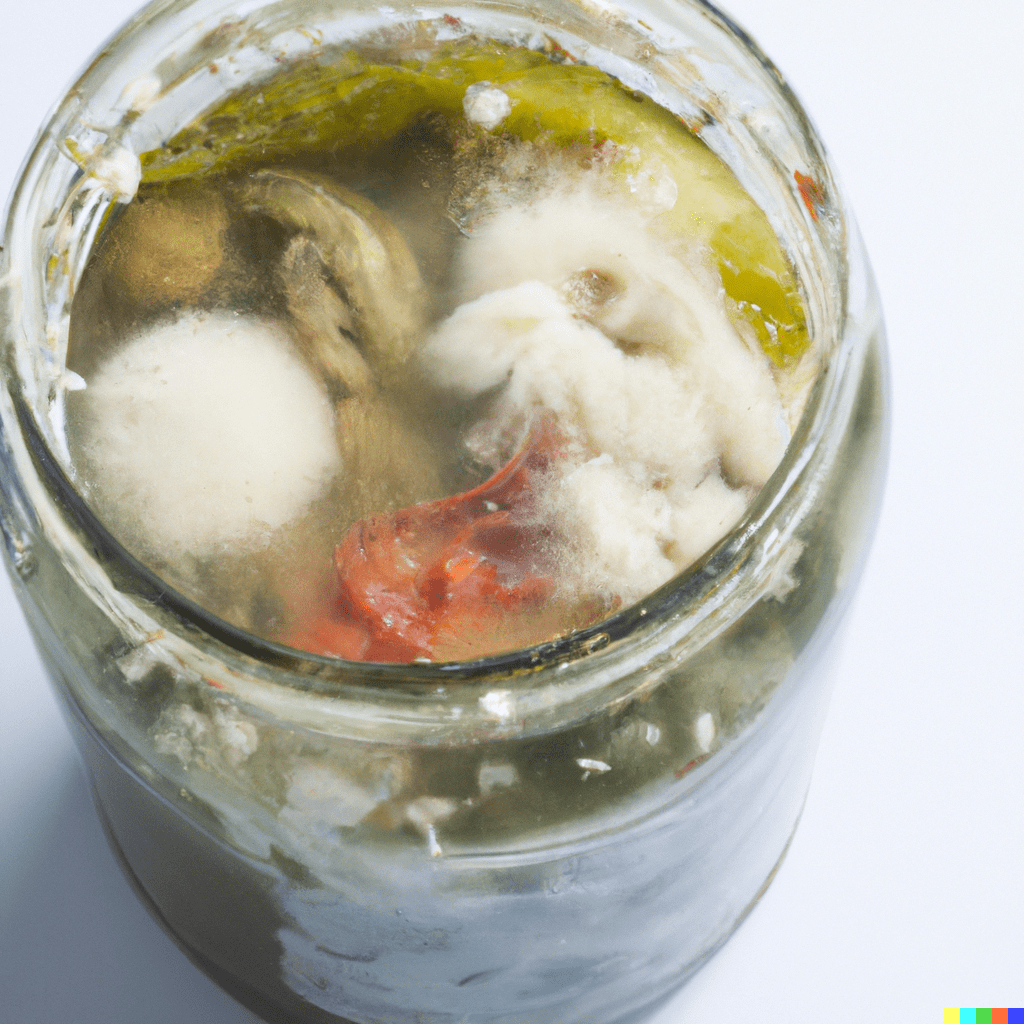
Sauerkraut is a traditional fermented food made by fermenting cabbage with salt, creating a tangy, crunchy, and nutrient-packed delicacy that has been cherished for centuries. It’s rich in probiotics, vitamins, and enzymes, making it one of the best foods for boosting gut health. While traditional sauerkraut recipes can take weeks to ferment, there are several quick and easy methods that allow you to enjoy homemade sauerkraut in a fraction of the time. In this article, we’ll explore simple sauerkraut recipes and provide tips for making your own delicious batches right at home in Dubai.
Whether you’re new to fermenting or looking for ways to add more probiotic-rich foods to your diet, these recipes will get you started on the path to enjoying the best sauerkraut in Dubai.
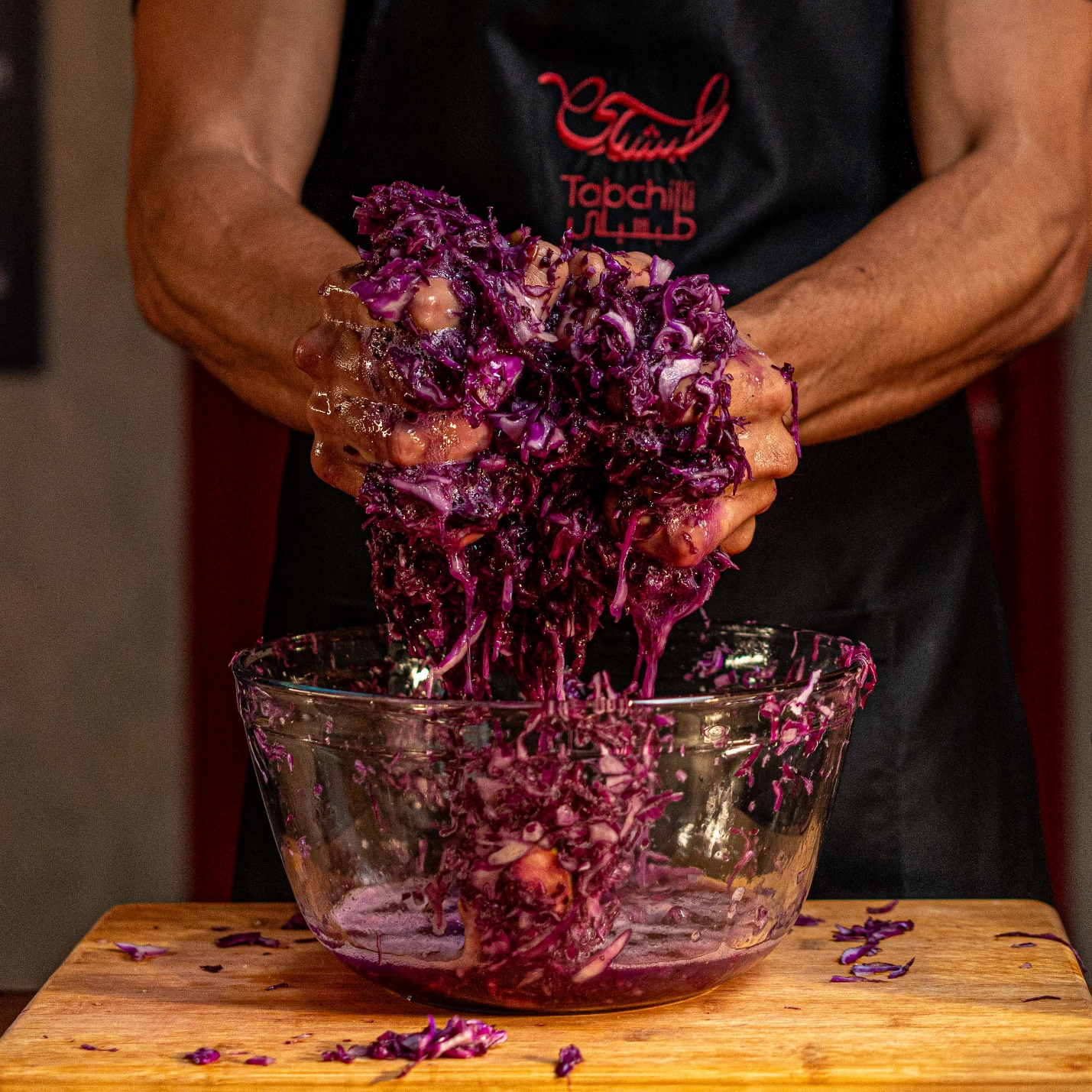
This simple recipe is perfect for beginners and takes just 15 minutes of prep time. It’s a great way to get started with making fermented foods in Dubai.
i. 1 medium-sized green cabbage (about 2 pounds)
ii. 1 tablespoon sea salt
iii. 1 teaspoon caraway seeds (optional, for flavor)
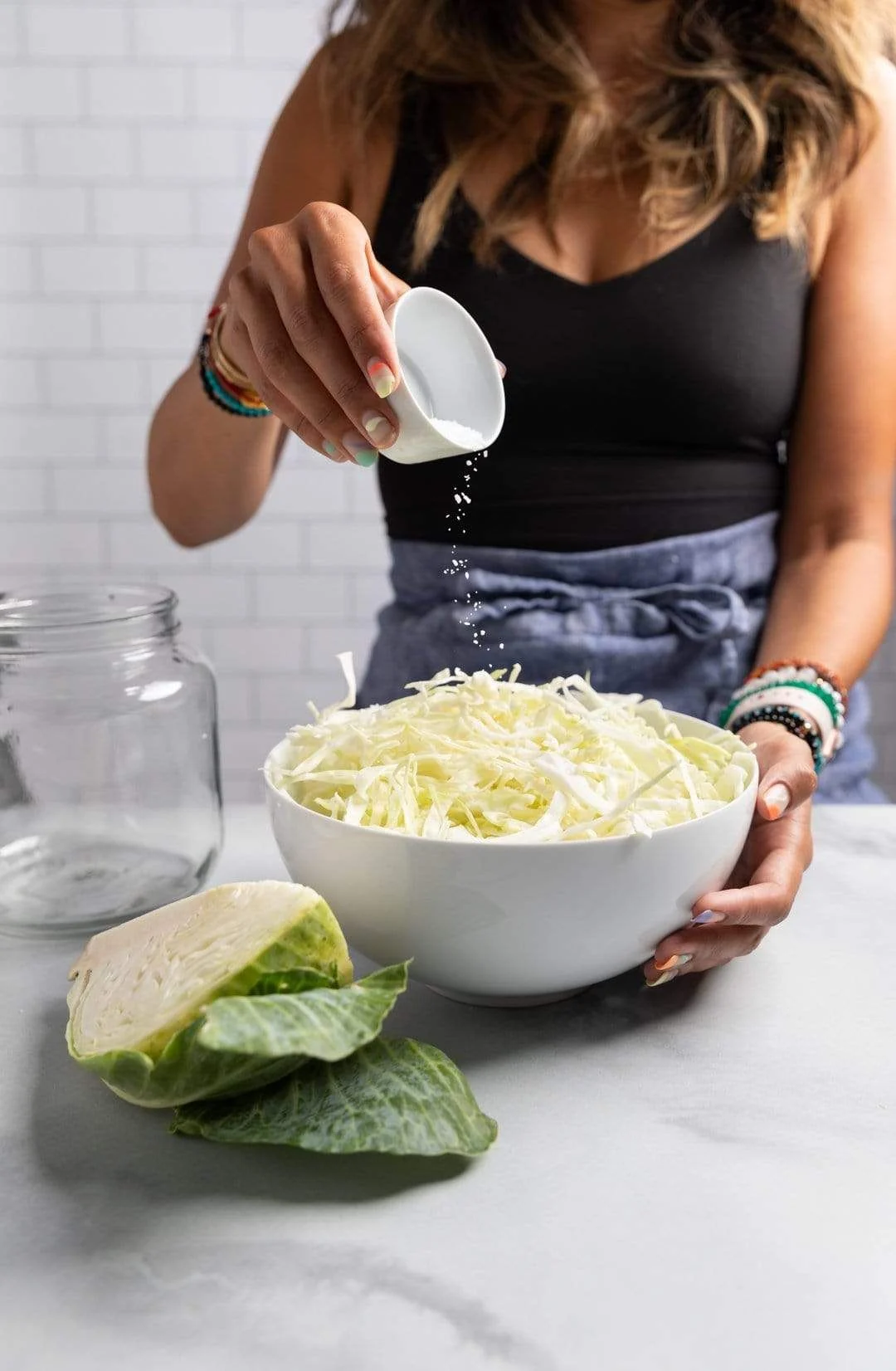
1. Prepare the Cabbage: Remove the outer leaves of the cabbage. Cut the cabbage into quarters, remove the core, and thinly slice the quarters into shreds.
2. Mix the Cabbage and Salt: In a large bowl, combine the shredded cabbage with sea salt. Use your hands to massage the cabbage for 5-10 minutes. The cabbage will start to soften and release its juices.
3. Pack the Cabbage into a Jar: Transfer the salted cabbage into a clean glass jar. Pack it tightly to remove air pockets, and pour any liquid released during massaging into the jar.
4. Add Weights: Place a fermentation weight or a smaller jar filled with water on top of the cabbage to keep it submerged under its liquid.
5. Ferment: Cover the jar with a cloth and secure it with a rubber band. Leave the jar at room temperature for 3-7 days. Taste it every day to monitor the tanginess. When it reaches your desired flavor, transfer it to the refrigerator to slow down fermentation.
Quick Tip: If you want to speed up the fermentation process, use a warmer spot in your kitchen, like near the stove, or add a tablespoon of whey from yogurt for faster fermentation.
For those who love a kick in their fermented foods, this spicy sauerkraut variation is sure to please. It’s a perfect balance of tangy and spicy, making it a great side dish or condiment.
i. 1 medium-sized red cabbage
ii. 1 medium carrot, shredded
iii. 2 jalapeños, thinly sliced
iv. 2 tablespoons sea salt
v. 1 teaspoon red pepper flakes
vi. 1 teaspoon black peppercorns
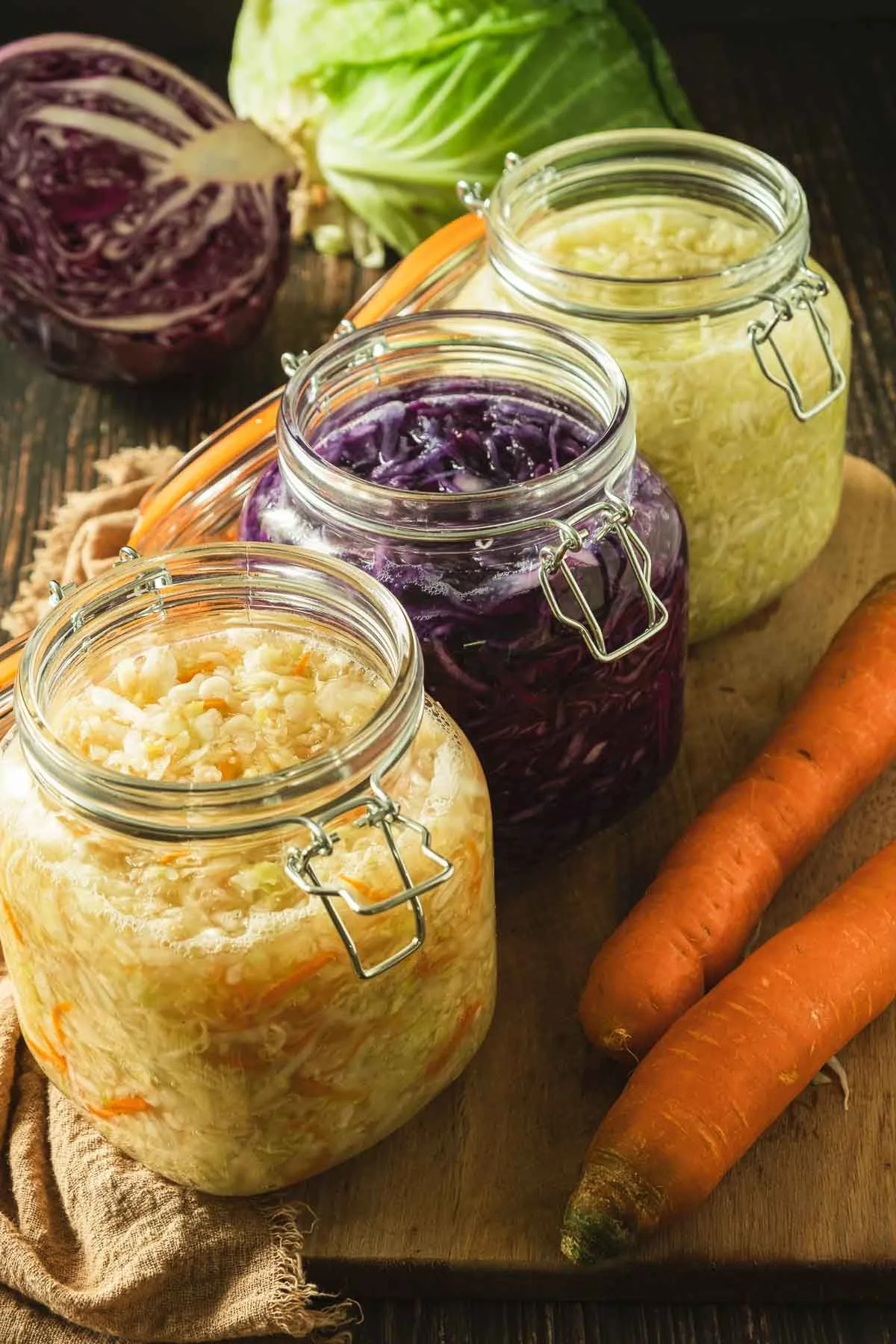
1. Shred the Vegetables: Thinly slice the cabbage, and mix it with shredded carrots and sliced jalapeños.
2. Massage the Cabbage with Salt: Sprinkle the sea salt over the vegetables and massage thoroughly until the cabbage starts to release its liquid.
3. Pack the Jar: Tightly pack the vegetables into a clean glass jar, ensuring that the vegetables are completely submerged in their juices.
4. Add Spices: Sprinkle red pepper flakes and peppercorns on top for an extra kick.
5. Ferment: Cover with a cloth and let it ferment for 5-7 days. Taste regularly until it reaches your preferred level of spiciness, then refrigerate.
Quick Tip: For a milder version, remove the seeds from the jalapeños or reduce the amount of red pepper flakes.
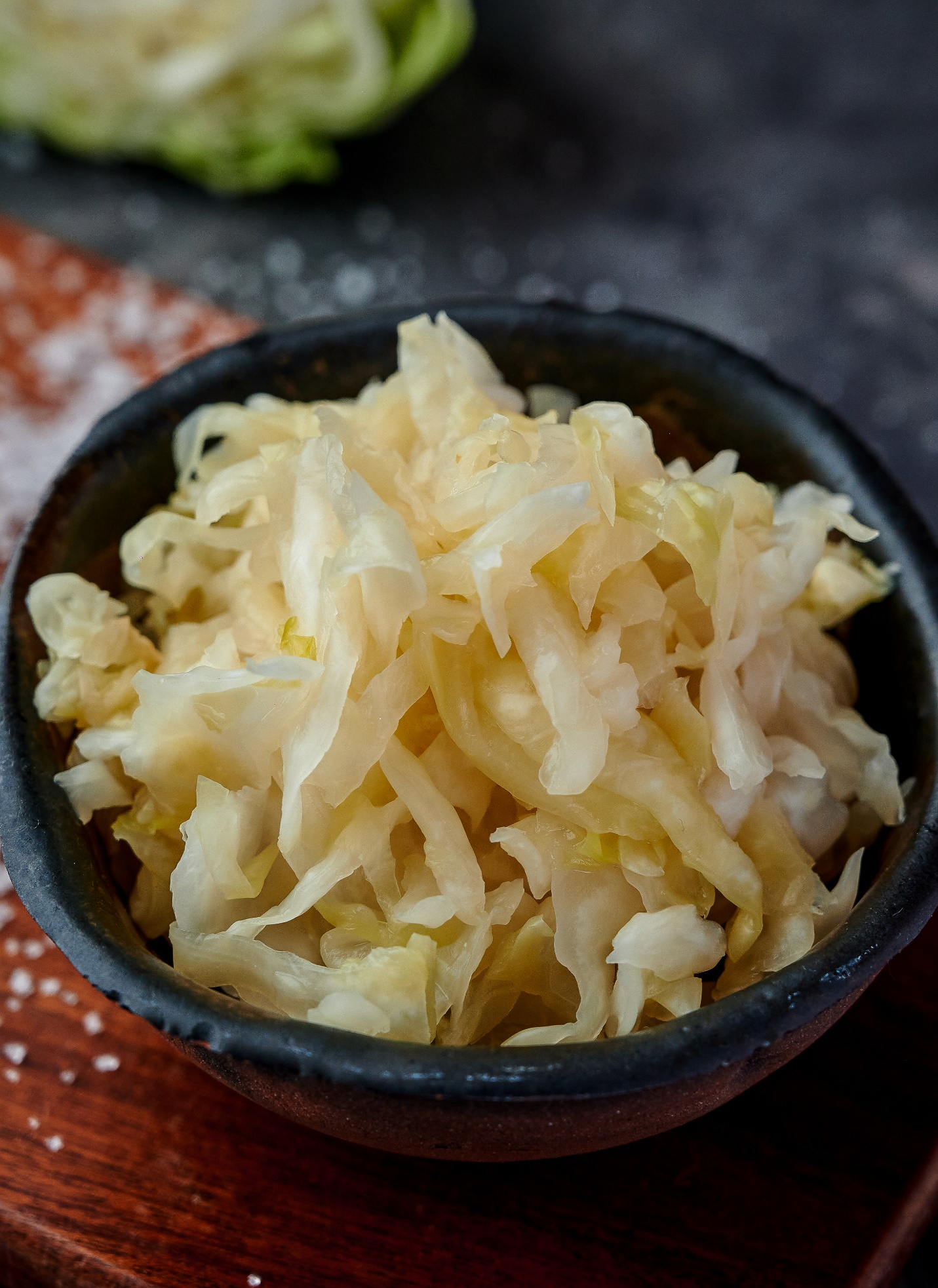
This unique variation combines the natural sweetness of carrots with the zesty punch of fresh ginger. It’s perfect for adding a burst of flavor and probiotics to salads or sandwiches.
i. 1 small green cabbage
ii. 2 large carrots, shredded
iii. 2-inch piece of ginger, peeled and grated
iv. 1 tablespoon sea salt
1. Prepare the Vegetables: Shred the cabbage and mix it with shredded carrots and grated ginger in a large bowl.
2. Massage the Salt into the Cabbage: Add sea salt and massage the mixture until the cabbage softens and releases its brine.
3. Pack into a Jar: Pack the mixture tightly into a glass jar, ensuring all vegetables are submerged.
4. Ferment: Cover with a cloth and let it sit at room temperature for 3-5 days, depending on your taste preference.
5. Refrigerate and Enjoy: Once it’s reached your desired tanginess, move it to the fridge.
Quick Tip: Add turmeric or cumin seeds to give this sauerkraut an extra layer of flavor and additional anti-inflammatory benefits.
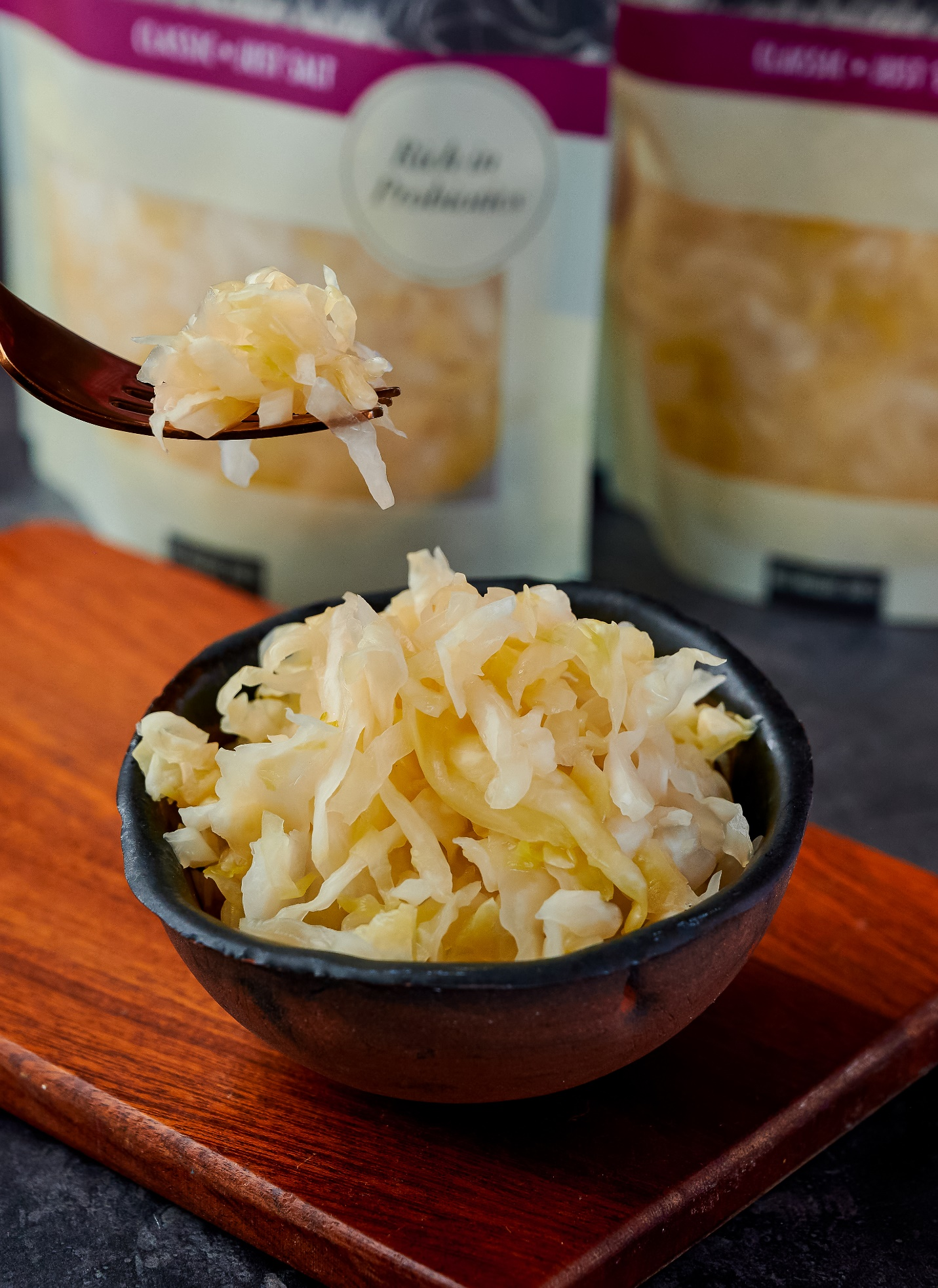
This garlic and dill sauerkraut is a great addition to savory dishes and is ready to eat in just a week. It’s a perfect choice if you love pickled flavors but want the probiotic benefits of sauerkraut.
i. 1 medium green cabbage
ii. 3 garlic cloves, minced
iii. 1 tablespoon sea salt
iv. 1 tablespoon dried dill (or 2 tablespoons fresh dill)
1. Slice and Shred: Shred the cabbage finely and combine with minced garlic and dill in a large bowl.
2. Massage the Mixture: Add sea salt and massage until the cabbage releases its liquid.
3. Pack the Jar: Transfer to a glass jar, packing it down firmly. Pour any remaining liquid over the top.
4. Ferment: Cover and ferment for 5-7 days. Taste test to achieve the perfect garlic flavor.
Quick Tip: For a crunchier texture, check your sauerkraut at the 3-day mark and refrigerate it if it has reached the desired consistency.
Homemade sauerkraut is not only delicious but also packed with probiotics, enzymes, and beneficial nutrients. Here’s why you should consider adding it to your diet:
1. Probiotic-Rich: Sauerkraut is teeming with live probiotics that support gut health, aid digestion, and boost your immune system.
2. Nutrient-Dense: It’s a great source of vitamin C, vitamin K, and dietary fiber.
3. Supports Digestive Health: The fermentation process breaks down the cabbage’s natural sugars, making it easier to digest and helping balance the gut microbiome.
4. Versatile and Delicious: Sauerkraut is easy to incorporate into meals-add it to salads, sandwiches, or as a side to roasted meats.
For those looking for the best sauerkraut in Dubai or seeking to explore the world of fermented foods in Dubai , these recipes are a fantastic starting point!
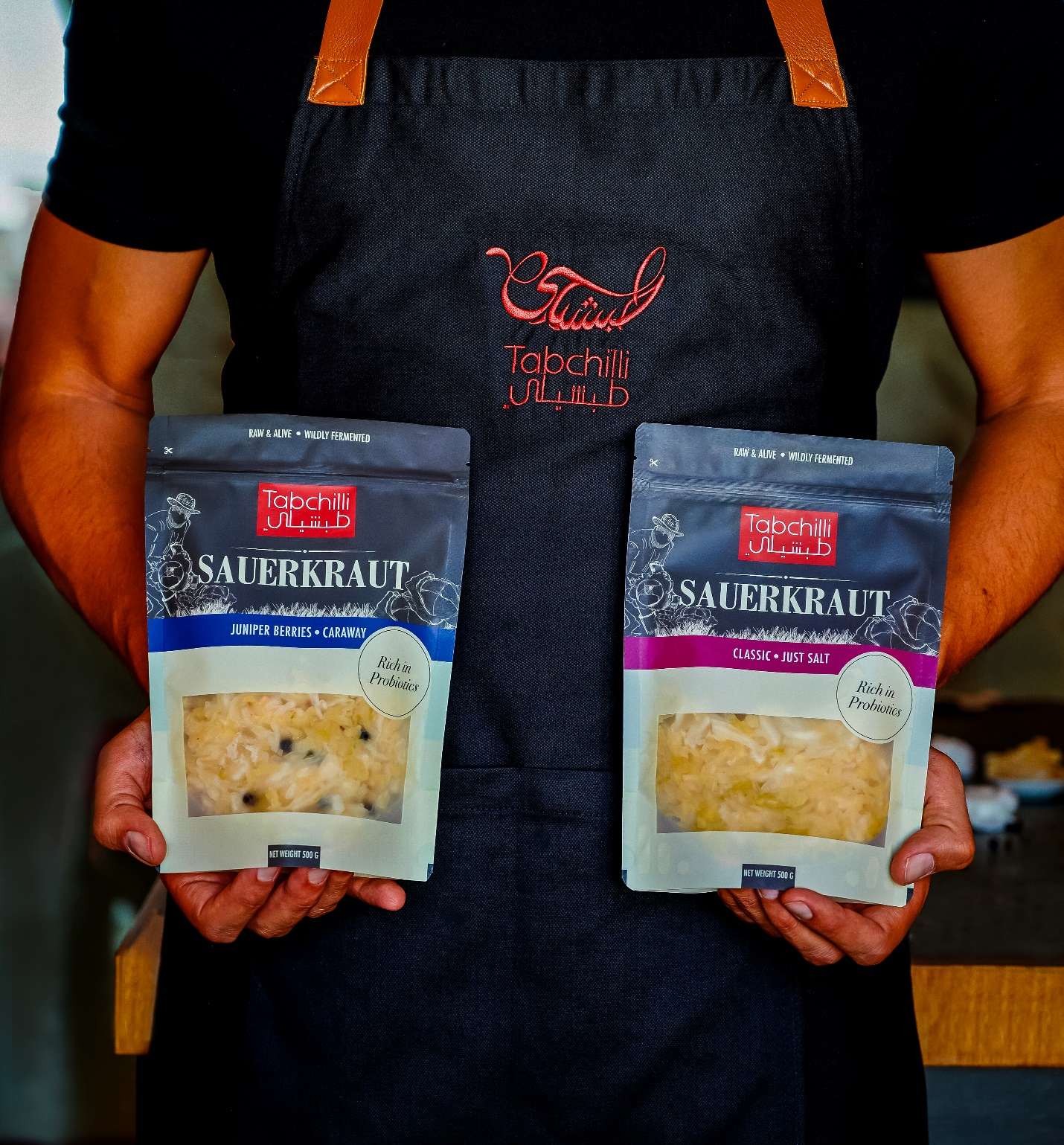
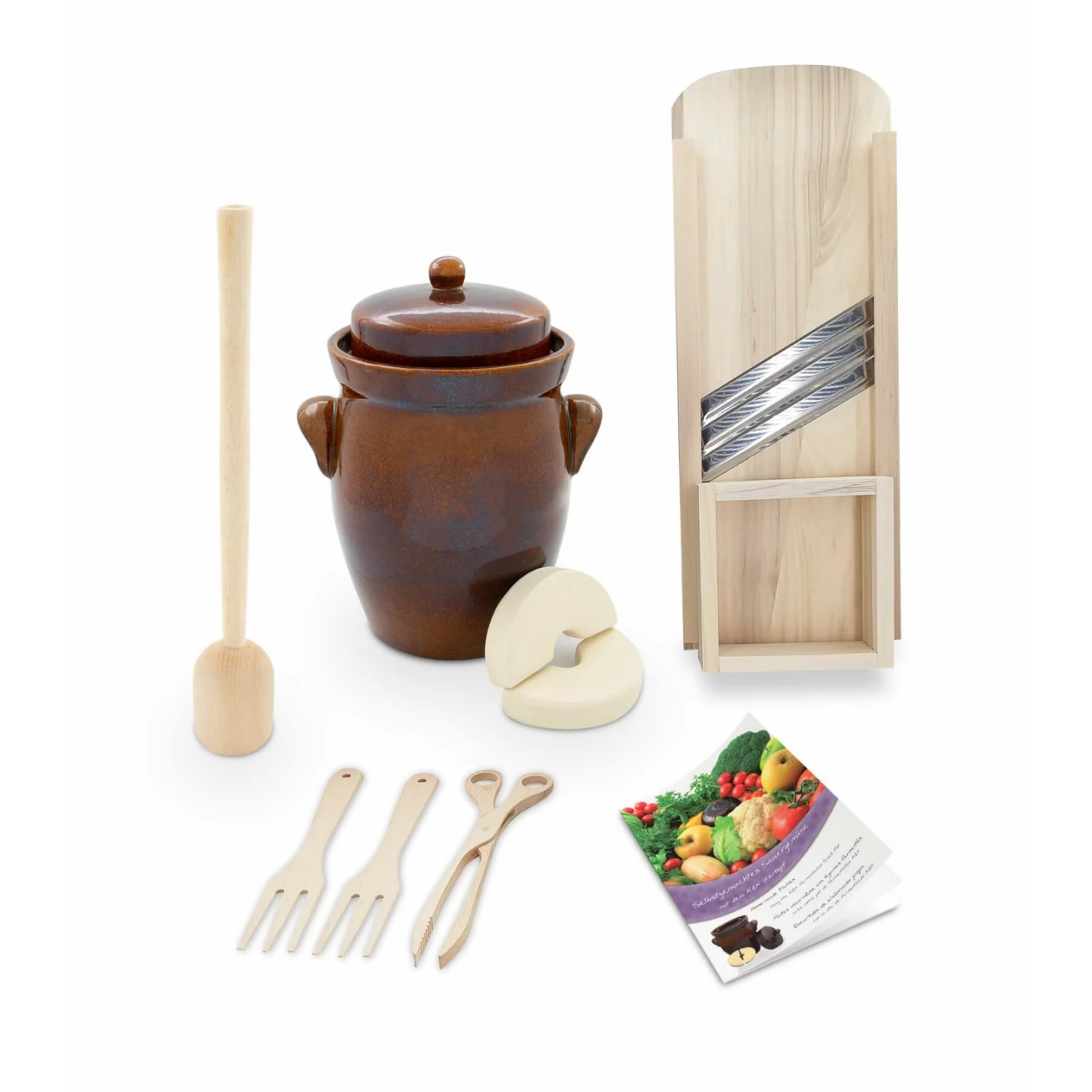
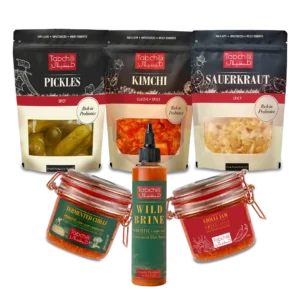
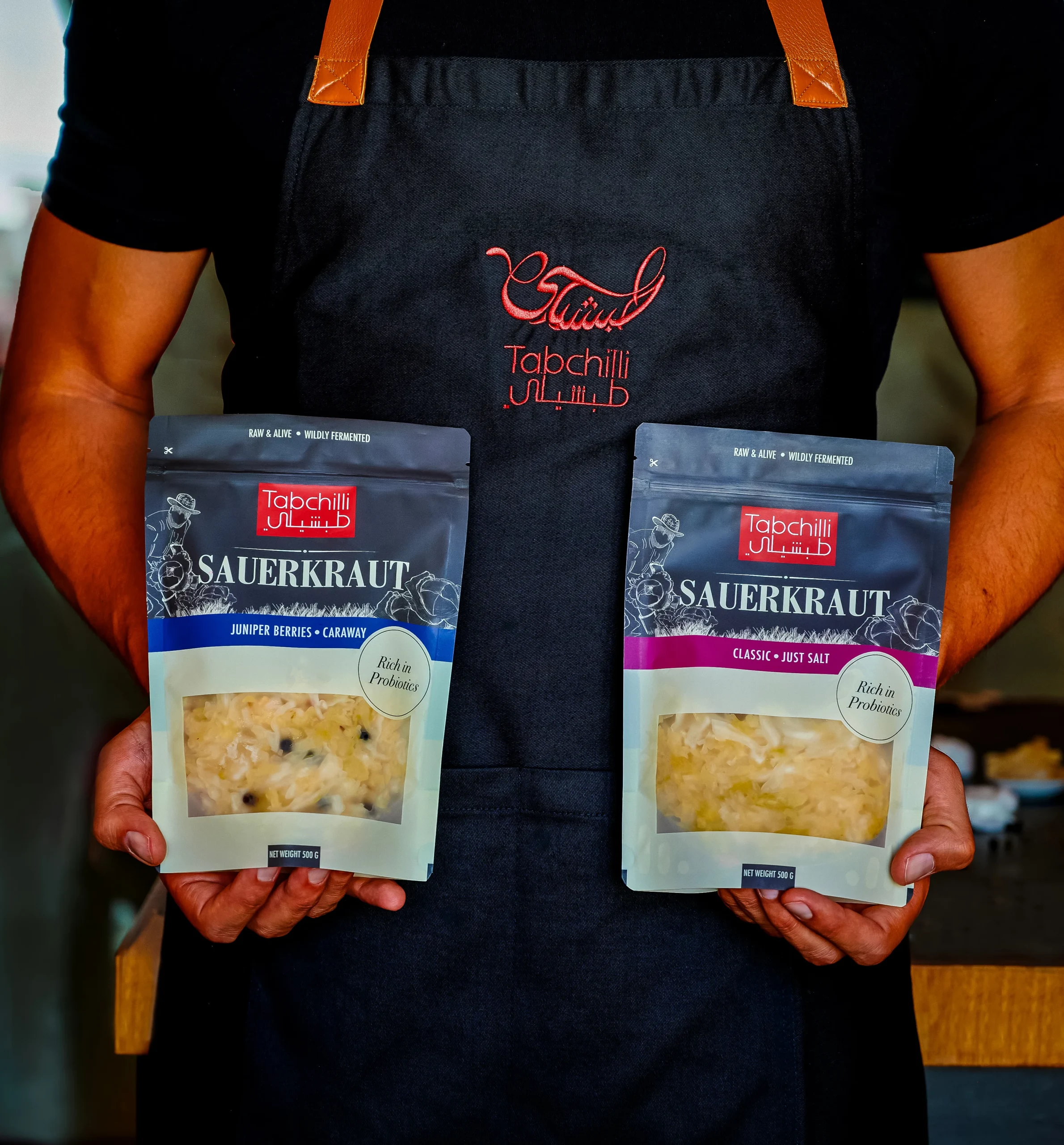
If you’re in Dubai and want to try making your own sauerkraut, check out Tabchilli for all your fermentation needs. We offer:
1. High-Quality Fermentation Kits: Our kits include everything you need to make the perfect batch of sauerkraut at home.
2. Hands-On Workshops: Learn the art of fermenting with our expert-led workshops right here in Dubai.
3. Fresh, Sauerkraut: If you’d rather skip the process and go straight to enjoying, we provide some of the best sauerkraut in Dubai, made with ingredients and a passion for quality.
Whether you want to explore sauerkraut for its probiotic benefits or just enjoy its unique flavor, Tabchilli has you covered! Visit us today to learn more, or purchase your own DIY sauerkraut kit and start fermenting!
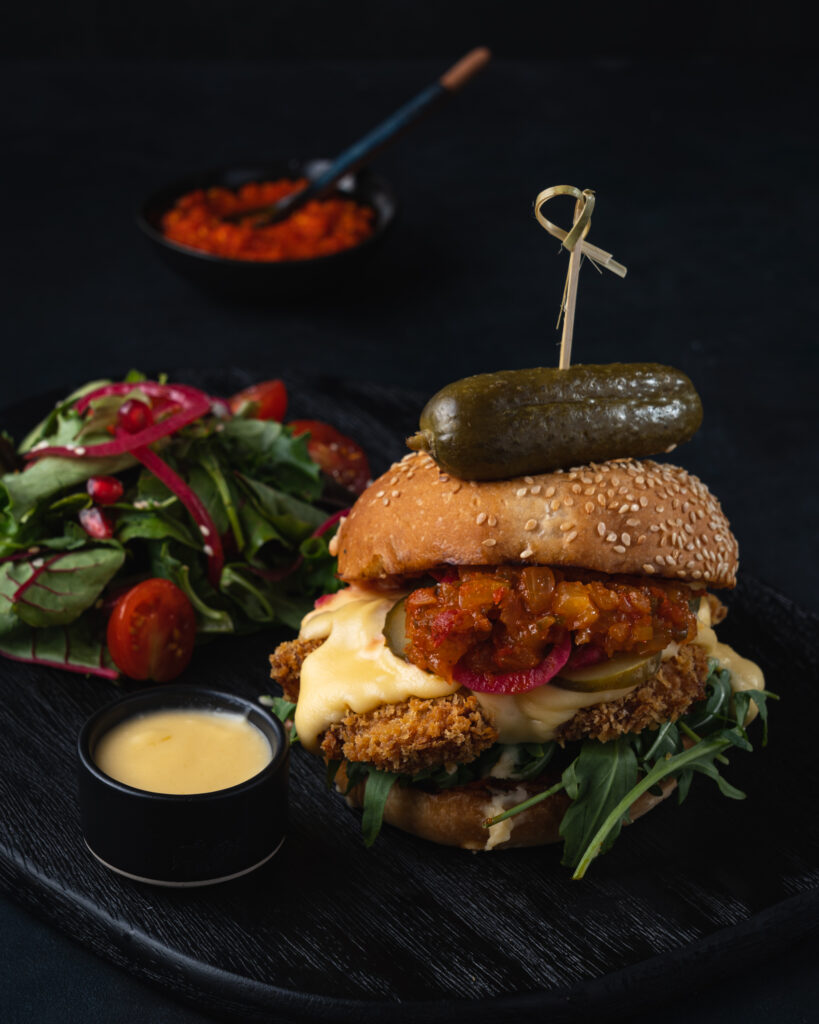
The Tabchilli Hot sauce Crispy Chicken Sandwich is a delicious and spicy twist on the classic chicken sandwich. It features a crispy crumb chicken thigh, topped with a mix of mozzarella cheese and spicy Tabchili Hot Sauce, all nestled in a toasted brioche burger bun.
The sandwich is also paired with pineapple relish, pickled cucumber, red onion, and arugula lettuce for added flavor and texture. Served with a side of garden salad, this sandwich is sure to be a crowd-pleaser for any spicy food lover.
Amount Produced: 1-PORTION
Amount Produced:1.3kg
Amount Produced: 550g”
Amount Produced: 1.1kg(11 portions)
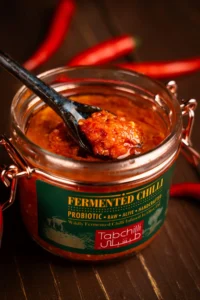
In the vibrant culinary scene of Dubai, a new flavor combination is capturing the imaginations of food enthusiasts: seafood paired with fermented hot sauce. This pairing is not just a fleeting trend; it represents a sophisticated fusion of delicate seafood flavors enhanced by the rich, complex notes of fermentation. At Tabchilli, our specially crafted hot sauce, which ferments for three months and is infused in premium extra virgin olive oil, stands ready to transform any seafood dish from simple to sublime.
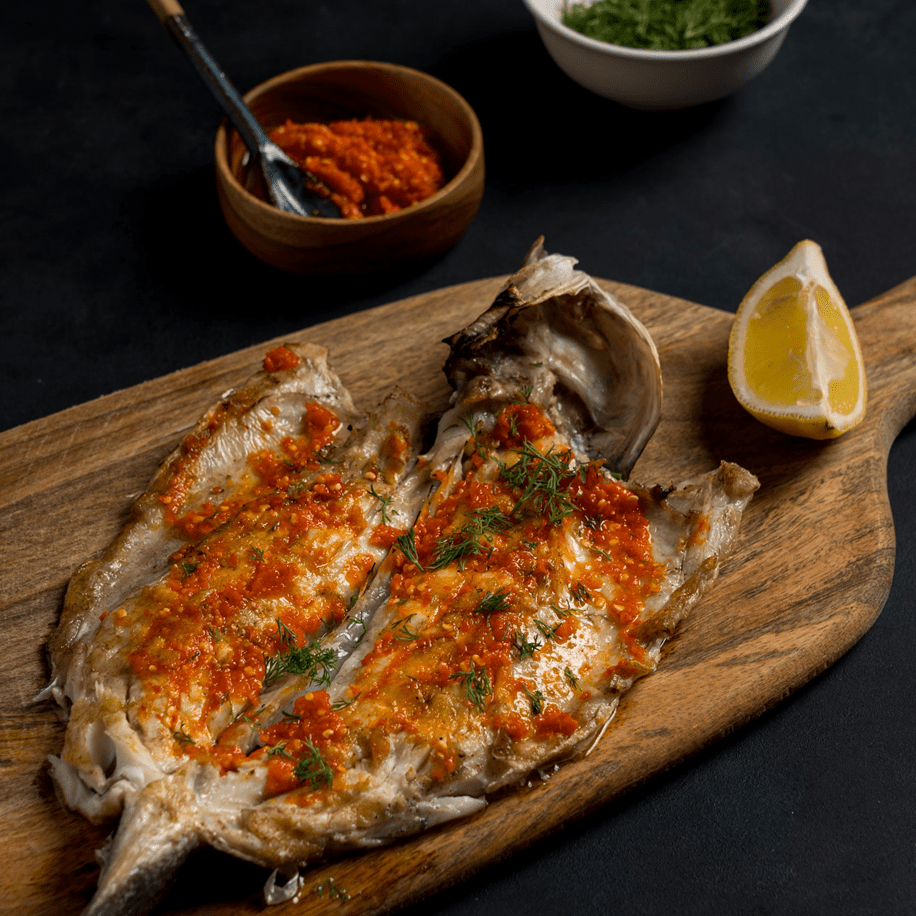
Fermentation is an ancient culinary technique celebrated for its ability to enhance the natural flavors and nutritional value of foods. At Tabchilli, we have perfected this art by allowing our carefully selected chilies to ferment for a generous three months. This process develops a depth of flavor that is both intense and refined, thanks to the incorporation of high-quality extra virgin olive oil. This oil not only captures and enhances the fiery essence of the chili but also mellows its sharp edges, resulting in a hot sauce that boasts a complex flavor profile with a smooth finish.
Fermented foods like our signature hot sauce offer more than just flavor-they are also packed with probiotics that promote digestive health and boost the immune system. By incorporating our fermented hot sauce into your diet, particularly when paired with nutritious seafood, you’re enhancing your meals not only with exciting flavors but also with health benefits that support overall well-being.
The natural mildness of seafood makes it an excellent partner for the bold flavors of spicy sauces. In Mediterranean cuisine, where both seafood and spicy flavors are staples, the pairing is particularly celebrated. Dishes like spicy grilled shrimp, calamari with hot pepper relish, and sea bass with chili-infused oils showcase the perfect harmony between the freshness of the sea and the warmth of spices. Our fermented hot sauce taps into this tradition, bringing a depth of flavor that perfectly complements the inherent sweetness of seafood, making every bite a rich and satisfying experience.
The versatility of seafood makes it an ideal canvas for our three-month fermented hot sauce. Whether you’re grilling sea bass or frying calamari, our hot sauce adds a dimension of flavor that is truly transformative. The mild, buttery texture of grilled sea bass is particularly receptive to the bold, tangy notes of our sauce, creating a delightful contrast that elevates the fish’s natural flavors. Calamari, with its satisfying texture and subtle taste, benefits immensely from the zesty kick of our sauce, making each bite a spicy delight.
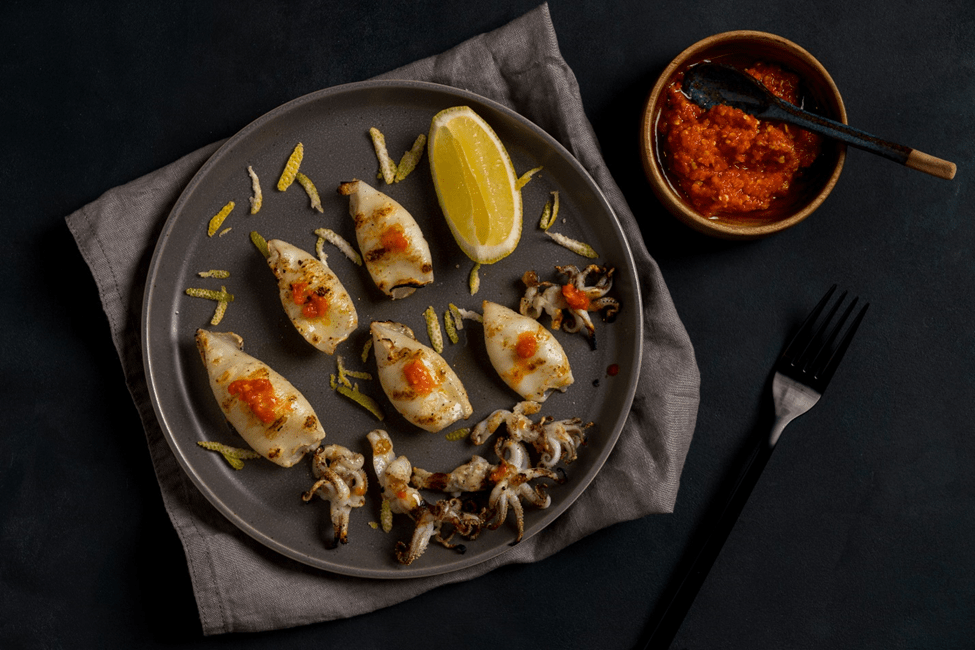
To maximize the culinary experience of seafood with our hot sauce, consider the following tips:
We warmly invite you to explore the delightful pairing of our fermented hot sauce with your favorite seafood dishes. Whether you are a culinary expert or a home cook eager to experiment with new flavors, our hot sauce is designed to provide a memorable dining experience. Available right here in Dubai, our hot sauce is not merely a seasoning; it’s a gateway to a world of vibrant flavors and healthy eating.
Try it for yourself by visiting Tabchilli and purchasing a bottle of our artisanal hot sauce. See firsthand how it can transform your seafood dishes into culinary masterpieces. Don’t just take our word for it-let your taste buds be the judge!
In Dubai’s dynamic food scene, our fermented hot sauce is setting a new standard for seafood cuisine. It’s more than just a condiment; it’s a key ingredient that opens up new possibilities for flavor and health. Experience the magic of our hot sauce and discover how it can make your next seafood meal not just delicious but truly extraordinary. Join us at Tabchilli, where tradition meets innovation, and taste the difference that our carefully crafted hot sauce can make.
A grounded look at how salt, time, and patience turn humble cabbage into probiotic sauerkraut that quietly supports gut health, digestion, and daily nourishment.
Sauerkraut is one of the simplest fermented foods in the world. Just cabbage, salt, and time. No starter cultures, no shortcuts. Yet this jar of fermented cabbage has travelled through centuries and cuisines, feeding families through winters and anchoring meals with its sharp, living presence.
When we talk about the health benefits of sauerkraut, it helps to begin here: this food was never designed to optimize anything. Traditional raw sauerkraut was made to preserve cabbage, to nourish, and to accompany everyday meals. The probiotic and gut health benefits are a natural result of lactic acid fermentation.
Fresh cabbage is crisp and clean. Fermented cabbage becomes something entirely different.
As salt draws out moisture, a natural brine forms. Inside this brine, lactic acid bacteria begin their work. Over days and weeks, they:
This slow fermentation process doesn’t add anything artificial. It simply transforms cabbage into probiotic sauerkraut that many people find gentler and more supportive for digestion and gut health.
A Living Source of Beneficial Microbes
Traditionally made raw sauerkraut is alive. Because it is not pasteurised or heat processed after fermentation, it carries live probiotic cultures from the jar to your plate.
Rather than focusing on numbers, it is more helpful to think in terms of microbial diversity. Sauerkraut offers a balanced community of microbes shaped by:
For many people, adding a spoonful of probiotic sauerkraut to meals feels like a steady, approachable way to support gut health without overwhelming digestion.
Gentle Support for Digestion
One of the oldest purposes of fermentation is to make vegetables easier to digest.
As cabbage turns into sauerkraut:
This is why sauerkraut is traditionally served alongside meals, not eaten alone. A small portion of fermented cabbage can bring brightness and digestive support to heavier foods.
Many people notice that sauerkraut feels easier on the stomach than raw cabbage. This is a quiet but powerful example of how lactic acid fermentation changes both flavour and digestive experience.
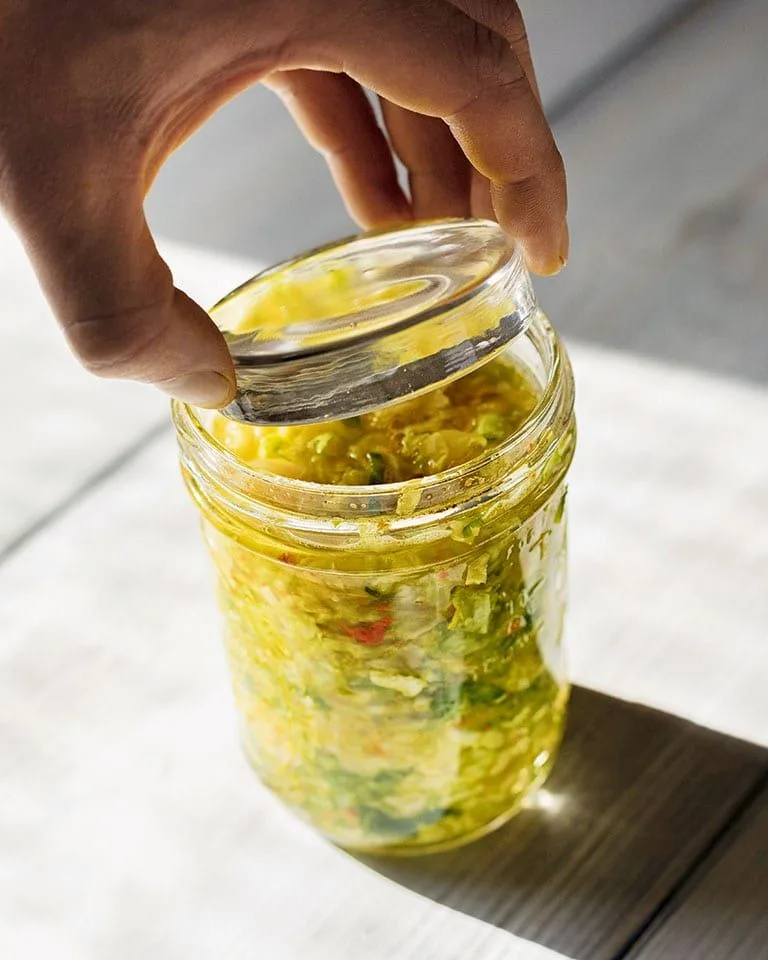

Nutrient Preservation Through Fermentation
Fermentation does not destroy nutrients. In many cases, it preserves them.
Sauerkraut retains:
Because raw sauerkraut is not cooked, it keeps much of the original nutritional value of cabbage, simply in a preserved and transformed form
A Natural Companion to Balanced Meals
Sauerkraut is not meant to dominate the plate. Its role is subtle and supportive.
Traditionally, sauerkraut appears:
Its acidity and saltiness help:
This is nourishment through placement and portion. The health benefits of sauerkraut come from integration into meals, not excess.
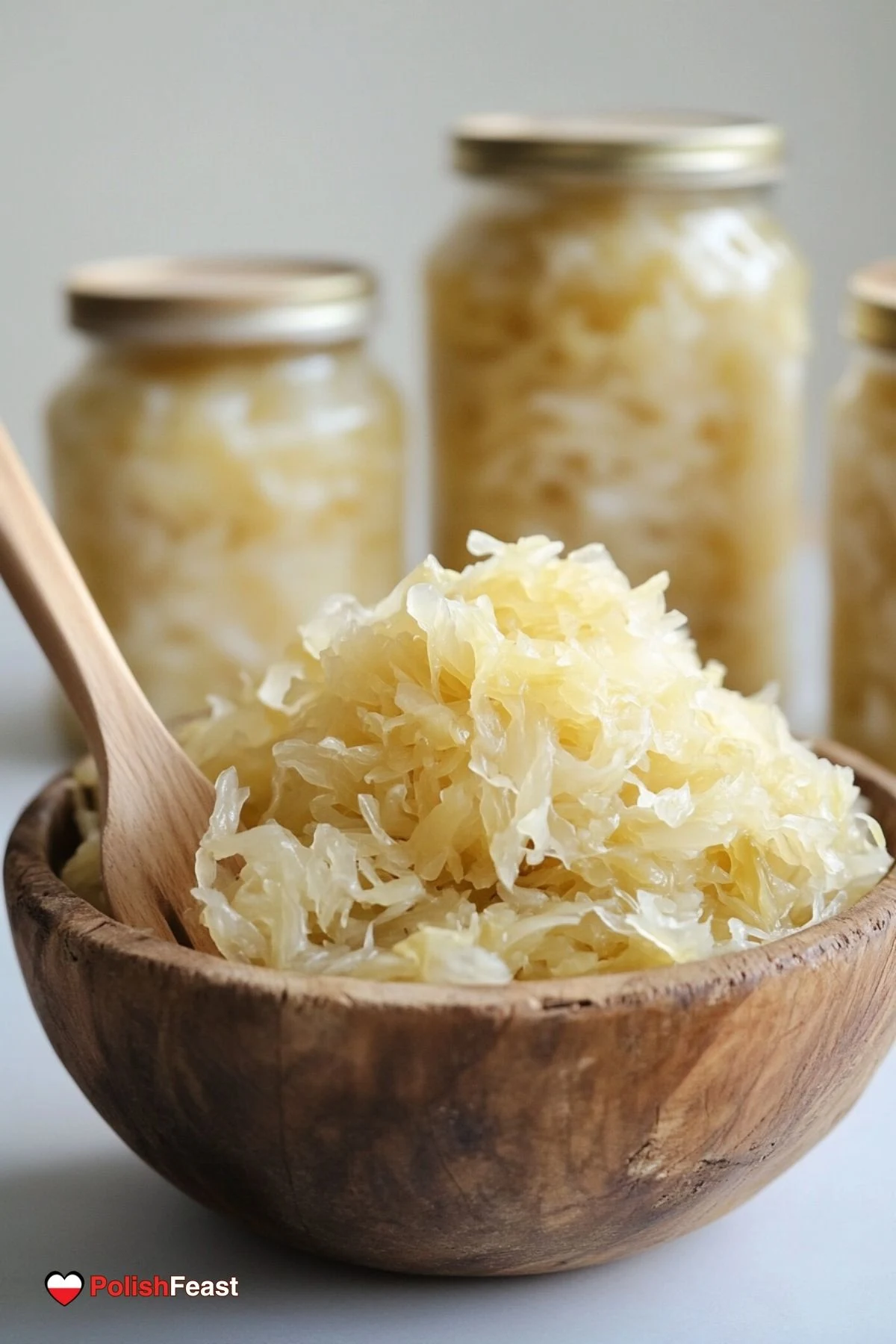
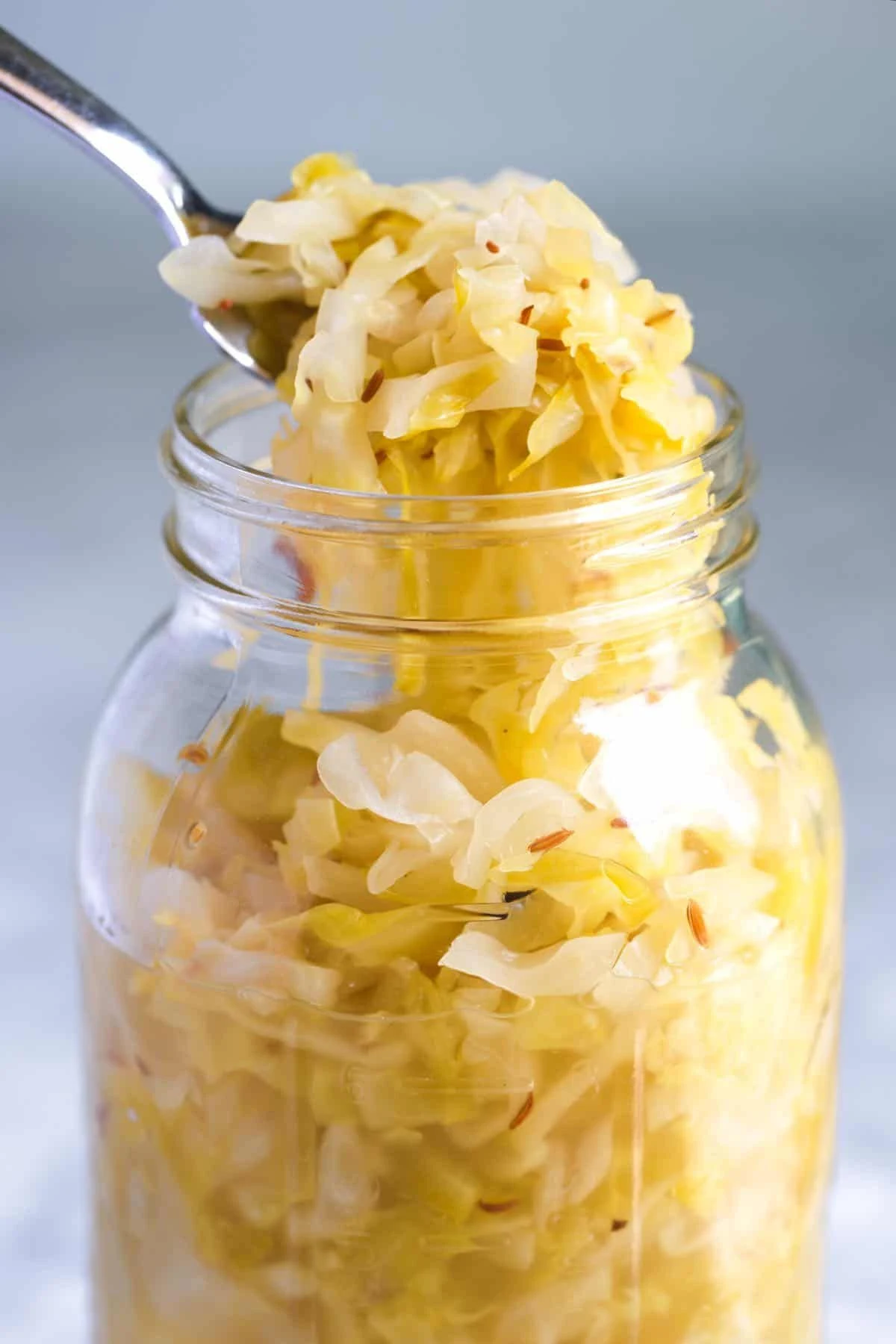
A Steady Rhythm for Gut Comfort
Unlike spicy ferments, sauerkraut has a clean, sharp, uncomplicated flavour. That simplicity makes it easy to return to regularly.
When eaten consistently in small portions, probiotic sauerkraut can feel:
Consistency is where gut health benefits quietly build over time.
Emotional and Traditional Nourishment
Sauerkraut is more than a probiotic food. It carries tradition.
It is the jar in the kitchen, the crock on the counter, the smell that signals care and patience. Fermented foods often bring emotional comfort alongside physical support.
These benefits do not appear on labels, but they are part of why fermented cabbage has endured for centuries.
Sauerkraut is:
Sauerkraut is not:
When framed modestly, the health benefits of sauerkraut show up quietly, through regular use.
If you are new to sauerkraut:
If you already enjoy it:
The goal is not intensity. The goal is consistency.
Learn how to make your own homemade sauerkraut and other fermented foods at Tabchilli workshops.
Yes, raw probiotic sauerkraut is widely valued for gut health because it contains live cultures created through natural lactic acid fermentation. These beneficial microbes may help support a balanced gut environment when sauerkraut is eaten regularly in small portions alongside meals.
Fermentation changes cabbage in ways that make it easier to digest. As cabbage turns into probiotic sauerkraut, fibers soften, complex compounds break down, and natural acidity develops, which can gently stimulate digestion and make meals feel lighter on the stomach.
Yes, traditionally made raw sauerkraut that is not pasteurised contains live probiotic cultures. These microbes remain active in the jar and reach your plate, making sauerkraut a natural source of probiotics that support gut health and digestion.
A small portion is enough. Most people start with one tablespoon of sauerkraut alongside meals. The benefits of sauerkraut for gut health come from consistency over time, not from eating large quantities at once.
To get the gut health benefits of sauerkraut, choose:
Avoid shelf-stable, pasteurised versions, as heat can destroy the beneficial probiotics.
 15-day money back guarantee

888+ reviews