-

-
 0
0
0A practical guide to probiotic foods that naturally carry living cultures without hype.
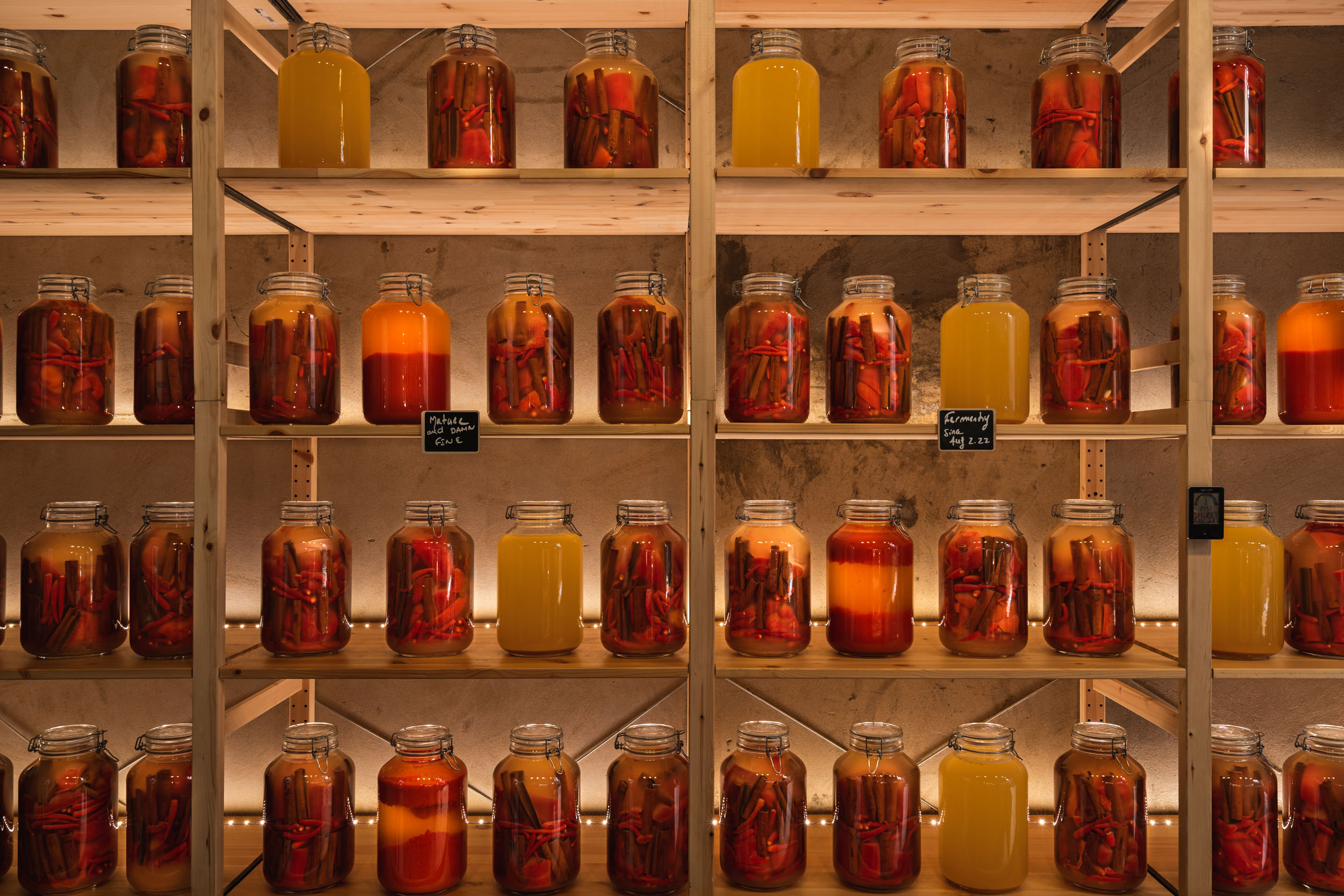
“Probiotics” are often marketed as numbers on a label or capsules in a bottle. In reality, probiotics are living microorganisms that develop naturally when fermented foods are prepared properly and not over-processed.
These probiotic foods have been part of traditional diets long before the word “probiotic” existed. They were made in kitchens, stored in jars, and eaten regularly, not as supplements, but as everyday live culture foods.
Below is a grounded guide to fermented foods with high probiotic content when prepared traditionally. Instead of rankings or exaggerated claims, this focuses on how these foods are actually used, tasted, and included in daily life.
Probiotic Rich Fermented Foods

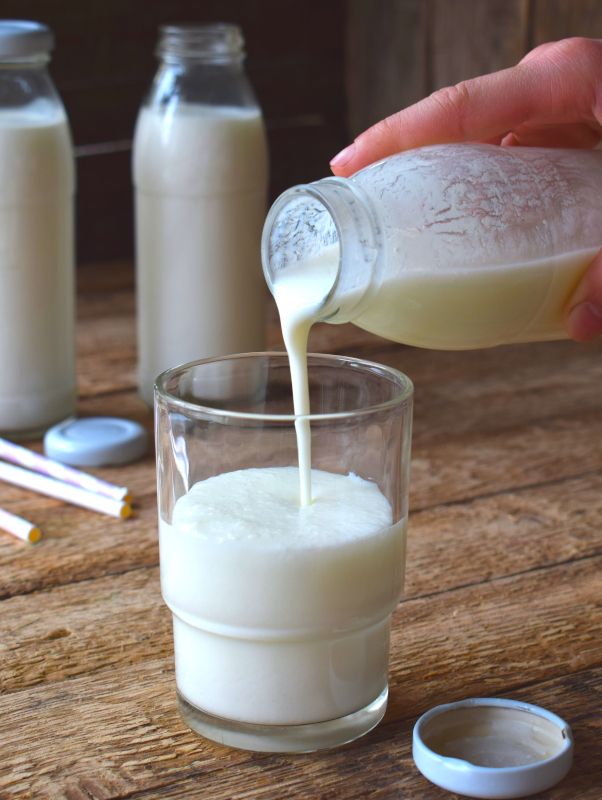
Yogurt: The Familiar Live Culture Food
Yogurt may be the most familiar of all probiotic-rich foods. It begins with milk nurtured by live cultures that:
What makes yogurt one of the most accessible foods with probiotics is that it is:
In its traditional form, made slowly and not overheated, yogurt carries live cultures directly to your spoon.
Milk Kefir: A Powerful Probiotic Fermented Drink
Milk kefir feels like a cousin to yogurt but with greater microbial diversity. Created by feeding kefir grains with milk over time, it produces a drink that is:
Because of its complex fermentation process, milk kefir is considered one of the highest probiotic foods and is often experienced as a layered, living probiotic beverage.
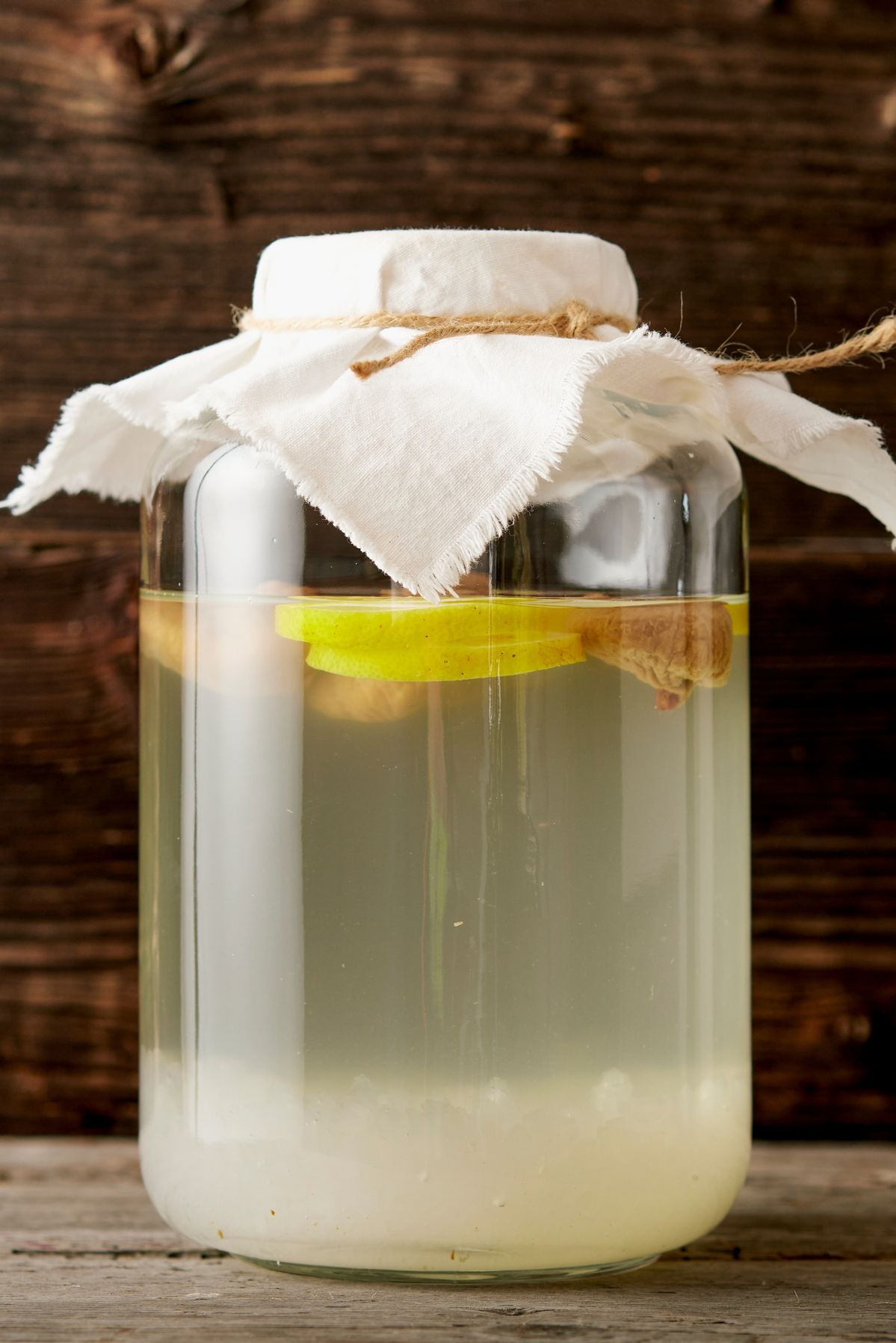
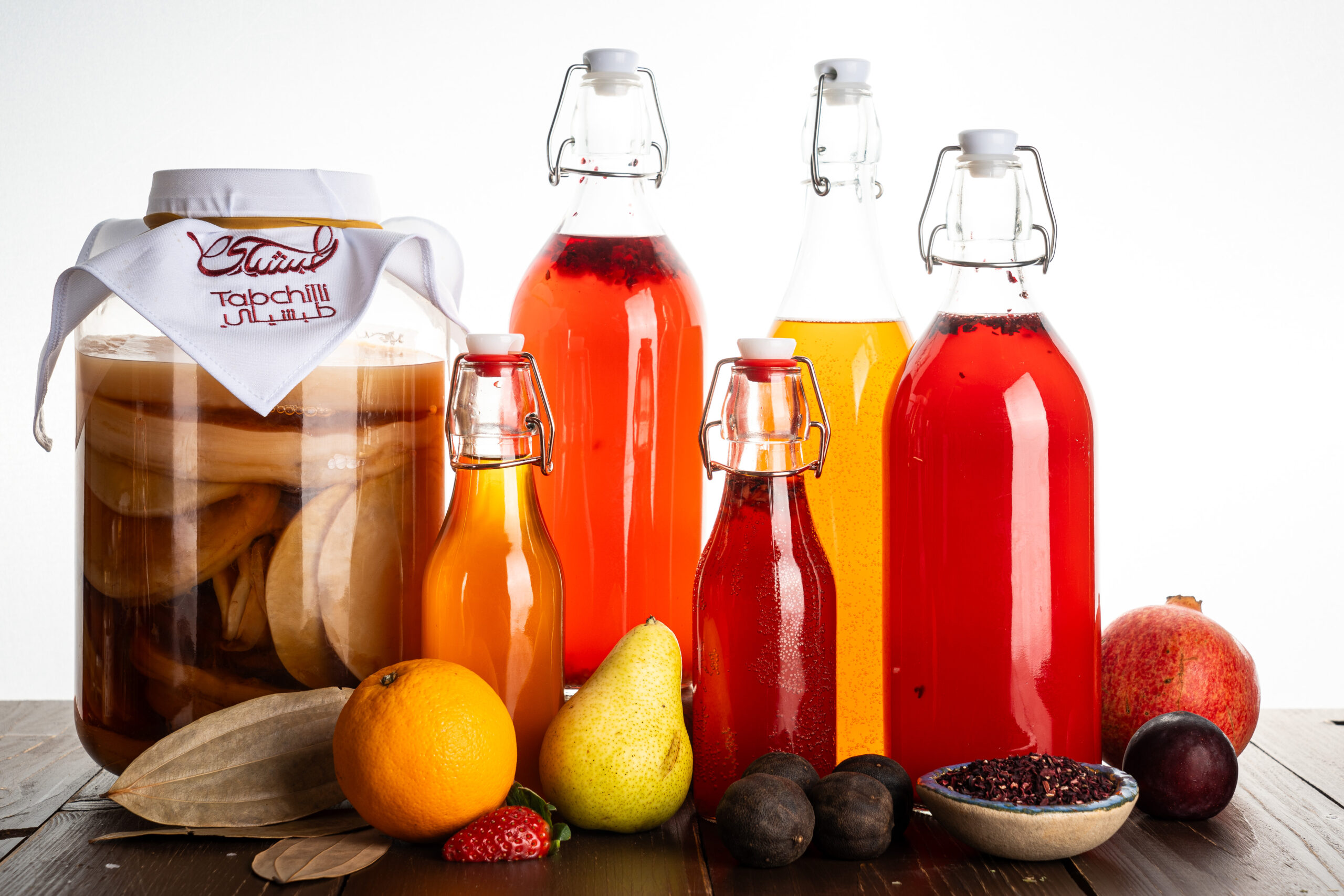
Water Kefir: A Refreshing Non-Dairy Probiotic Drink
Water kefir is a bubbly drink made from sugar water, minerals, and kefir grains that ferment over time.
This fermented probiotic drink brings:
Water kefir is one of the most approachable probiotic drinks for hydration with character and living benefits.
Kombucha: Fermented Tea With Live Cultures
Kombucha begins with tea and sugar, transformed over days by a SCOBY, a symbiotic culture of bacteria and yeast.
What emerges is:
The probiotic content in kombucha comes from this living fermentation, making it one of the most popular fermented drinks with probiotics.
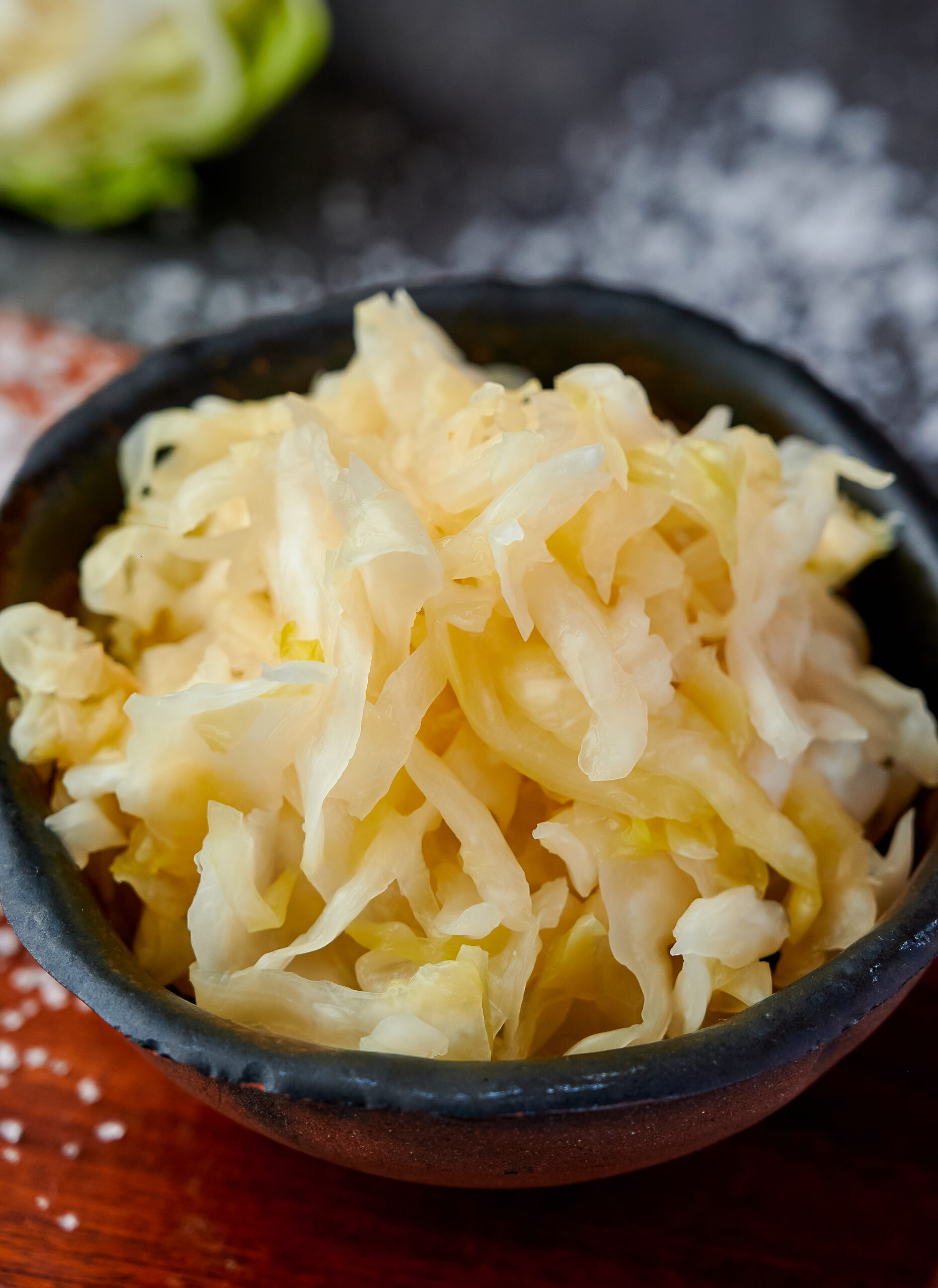
Sauerkraut: Fermented Cabbage Rich in Probiotics
Sauerkraut is simply cabbage fermented in salt brine. Over time, this creates:
Unlike cooked or shelf-stable versions, raw sauerkraut is one of the best fermented vegetables with probiotics. A spoonful of raw sauerkraut is an easy way to add live culture foods to meals.
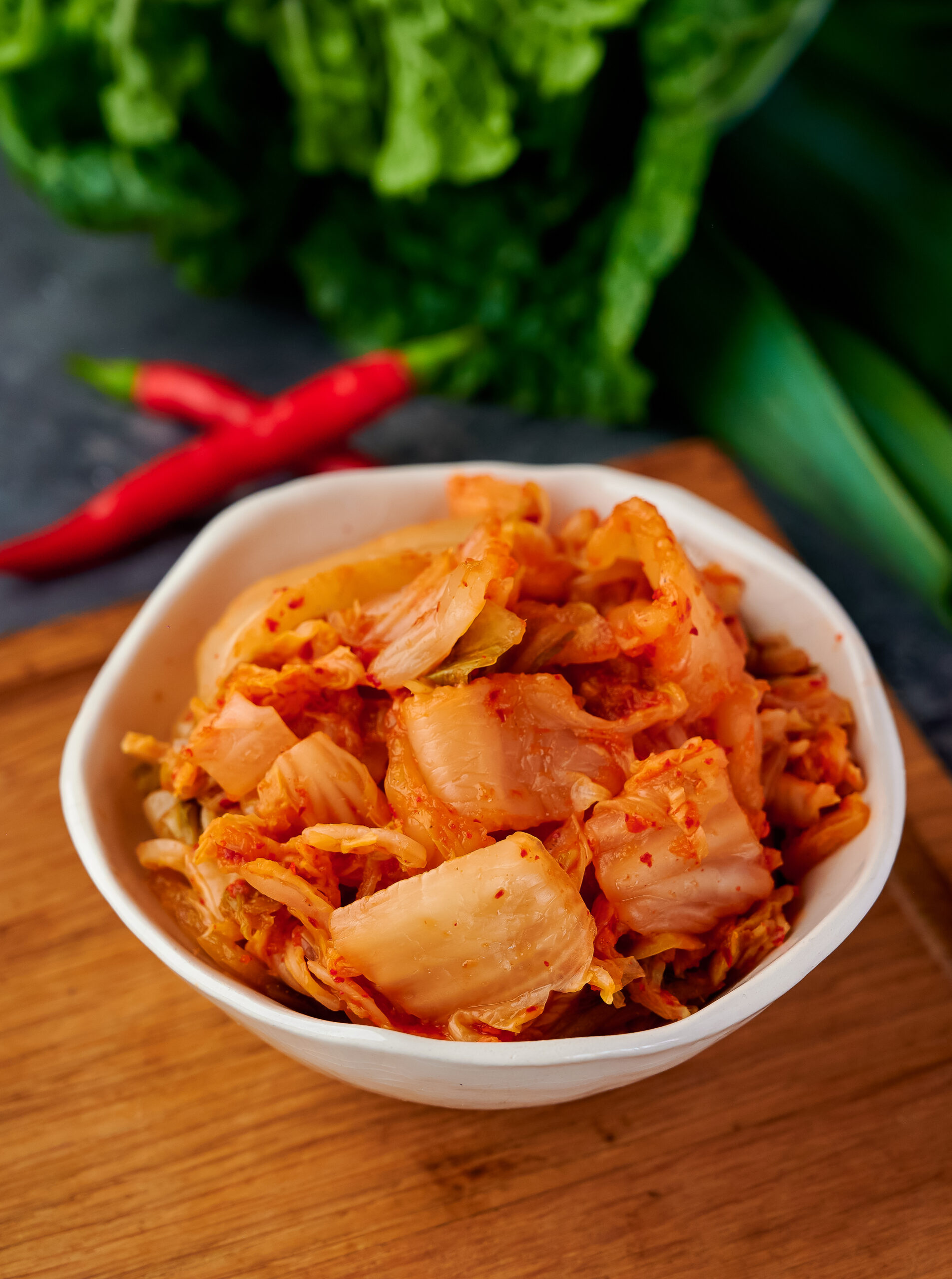
Kimchi: Spicy Fermented Vegetables With Living Cultures
Kimchi is a Korean-style fermented vegetable dish made from cabbage, radish, garlic, ginger, chilli, and salt.
What makes kimchi a probiotic-rich food is:
Kimchi is fermented with character, adding both heat and probiotic benefits to the table.
Miso: Fermented Soy With Subtle Probiotic Value
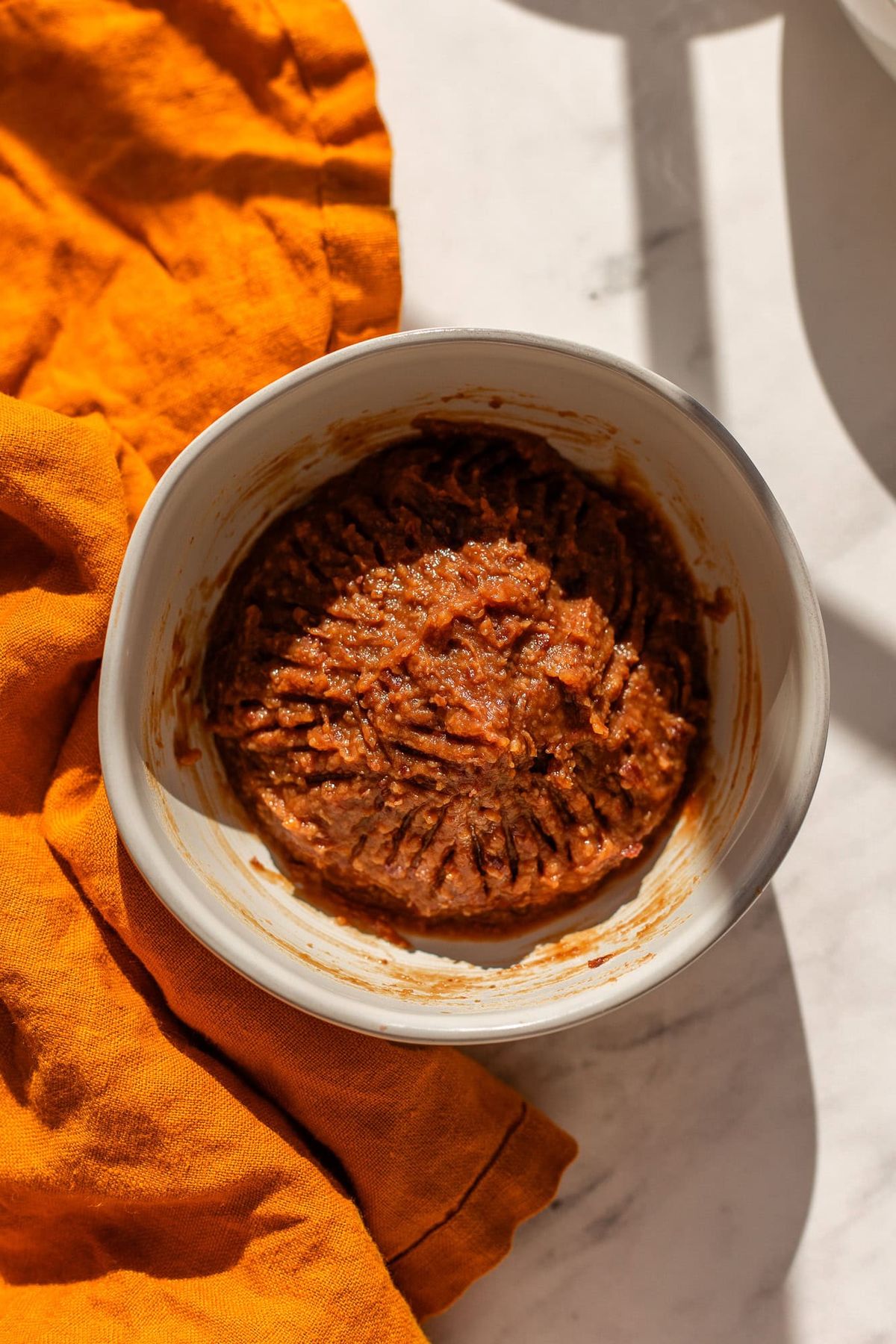
Miso is fermented soybeans, sometimes with grains, aged until rich in umami and depth.
Because of its fermentation, miso adds:
Miso is one of the most traditional fermented foods that carries living cultures when not overheated
Tempeh: Whole Soybeans Transformed by Fermentation
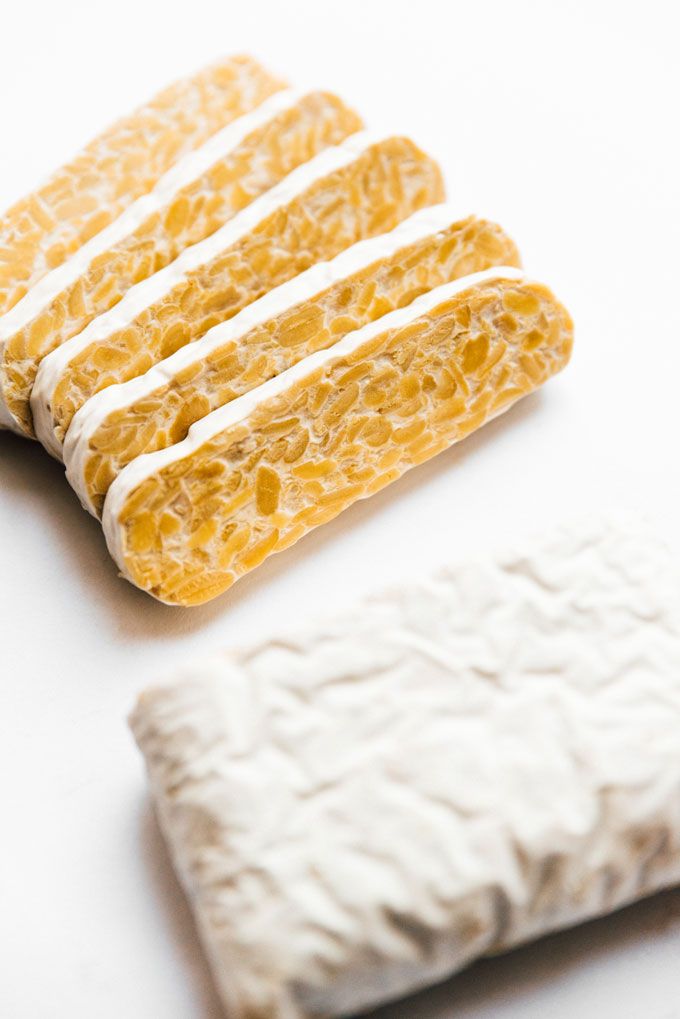
Tempeh is soybeans fermented into a firm, sliceable block through natural cultures.
This fermentation makes tempeh:
Even when cooked, tempeh begins as a probiotic fermented food, showing that foods with probiotics do not always taste sour.
Fermented foods do not deliver identical microbes every time. Their probiotic profile changes based on:
A homemade jar of sauerkraut and a store bought one may be completely different in probiotic presence.
Rather than asking which food has the most probiotics, a more useful question is:
Consistency matters more than intensity.
You do not need to eat all these fermented probiotic foods daily.
Simple sustainable ways include:
Fermented foods work best as part of regular eating habits, not as a short-term fix.
Fermented foods are not new discoveries. They are traditional ways of preparing food that naturally support microbial diversity.
Their value is not in claims or labels, but in:
Fermentation is not about optimization. It is about allowing food to transform and choosing to eat it that way.
Learn how to ferment your own probiotic-rich foods and include them in your routine at Tabchilli workshops.
1. Which fermented foods have the highest probiotic content?
Fermented foods like milk kefir, kimchi, sauerkraut, kombucha, yogurt, miso, and tempeh are known to carry high amounts of live cultures when prepared traditionally and kept raw or unpasteurized.
2. Are all fermented foods rich in probiotics?
Not all fermented foods contain live probiotics. Only raw, unpasteurized fermented foods with live cultures, such as kefir, kimchi, and sauerkraut, provide meaningful probiotic benefits.
3. What is the best probiotic drink among fermented foods?
Milk kefir and kombucha are considered two of the best probiotic drinks due to their diverse microbial cultures created through natural fermentation.
4. How can I add probiotic foods to my daily diet?
You can add a spoonful of kimchi or sauerkraut to meals, drink a small glass of kefir, or include miso and tempeh in your cooking regularly.
5. Why is milk kefir considered one of the most probiotic-rich foods?
Milk kefir is made using kefir grains that contain a complex community of bacteria and yeast, making it one of the most diverse probiotic fermented drinks.
 15-day money back guarantee

893+ reviews